Eggnog began as a medieval remedy, survived aristocratic excess, and evolved into a boozy Christmas ritual that still divides households centuries later.
The Night Custard Took Over Christmas
Snow presses against the windows. Firelight flickers across crowded tables. A thick, pale drink sloshes in heavy cups, rich enough to coat the tongue and strong enough to warm the chest. Laughter rises as another round pours. Long before supermarkets bottled it or cafés flavoured coffee with it, eggnog already dominated winter celebrations as a curious contradiction. It looked gentle. It behaved otherwise.
What began as a medieval comfort drink grew into one of the most enduring seasonal rituals in the Western world.
From Monks’ Milk to Aristocrats’ Indulgence
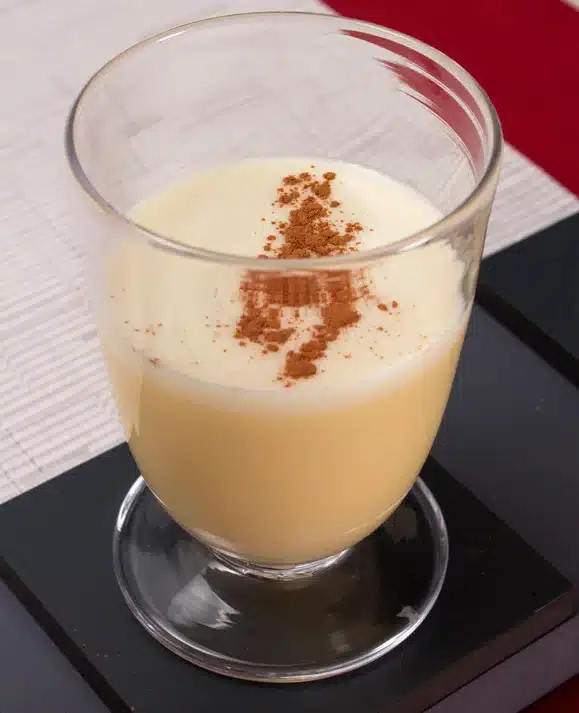
Eggnog traces its origins to medieval Britain, where warm milk mixed with ale or wine formed a drink known as posset. Monks and nobles treated posset as medicine, sleep aid, and sustenance during cold months. Eggs later thickened the mixture, while spices added warmth and signalled status.
Milk and eggs carried high value in medieval Europe. Cows produced less milk in winter. Hens slowed laying. Adding fortified wine or brandy pushed the drink firmly into luxury territory. Only the wealthy could afford it. Silver two-handled posset pots sat on aristocratic tables, holding drinks that blurred the line between nourishment and indulgence.
As tastes changed, posset faded from fashion. Its descendant did not.
A Name Born in Taverns and Wooden Cups
The word eggnog emerged in North America in the late 18th century. Linguists still debate its origin. Some trace “nog” to a strong beer brewed in East Anglia. Others link it to “noggins”, the small wooden cups once used to serve alcohol. Another theory points to colonial slang combining eggs with rum poured into wooden mugs.
Printed references appeared by the 1770s. By 1793, newspapers already linked eggnog directly to Christmas celebrations. The drink had found its season, and it did not let go.

Why America Claimed the Custard
Across the Atlantic, conditions favoured eggnog’s survival. Colonial households raised chickens and kept dairy cows, making eggs and milk more accessible than in Britain. Rum arrived cheaply through Atlantic trade routes, while brandy and wine carried heavy taxes.
Eggnog shifted from aristocratic indulgence to popular celebration. Recipes incorporated a wider range of spirits. Alcohol content increased. When rum supplies tightened after the American Revolutionary War, whiskey and later bourbon replaced it. The drink adapted quickly and decisively.
By the early 1800s, eggnog carried enough alcohol to fuel trouble. In December 1826, cadets at the United States Military Academy smuggled whiskey into barracks to spike their Christmas eggnog. The result became known as the Eggnog Riot. Windows shattered. Furniture broke. Fights erupted. What appeared festive proved volatile.
Custard, Foam, and Fire
At its core, eggnog remains structurally simple. Egg yolks whipped with sugar form a thick base. Milk or cream thins it. Spirits deepen it. Nutmeg, cinnamon, and vanilla provide warmth. Whipped egg whites add froth, lifting the heavy mixture into something deceptively light.
Some versions gently heat the custard before alcohol enters, echoing its posset ancestry. Others chill it until cold and creamy. Regional styles flourished. Puerto Rico’s coquito replaces dairy with coconut. Germany pours wine into Eierpunsch. Peru blends eggs with pisco. In New Orleans, bars freeze eggnog into slushy machines during the holiday season.
Few festive drinks adapt across cultures with such ease.
From Punch Bowls to Supermarket Shelves
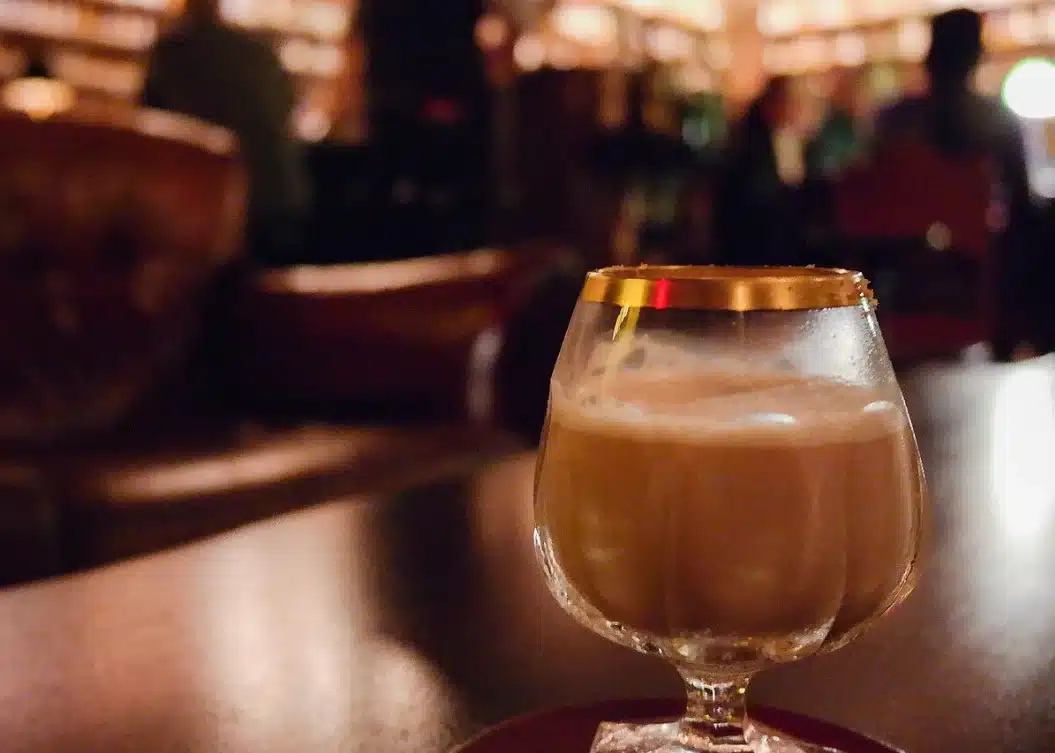
Commercial eggnog reshaped the recipe again. Manufacturers reduced egg content and relied on thickeners such as gelatin and gums. In the United States, regulations require only a small percentage of egg yolk solids for a product to carry the name. Canada enforces stricter standards, including minimum milk fat levels and mandatory egg content.
Low-fat, sugar-free, and alcohol-free versions followed. Vegan alternatives emerged using soy, almond, oat, or coconut milk. Some appeared more than a century ago. Others arrived during the late 20th century.
Homemade eggnog declined. Cream and spirits made it costly. Concerns over raw eggs lingered. Later safety studies showed that ageing strong alcoholic eggnog under refrigeration destroys harmful bacteria over time, reviving older practices of letting the drink rest.
Love It or Loathe It
Eggnog divides opinion. Some praise its richness and ritual. Others recoil from its texture. Critics describe it as unpleasantly eggy. Supporters treat it as liquid dessert. Nutritional studies offer little encouragement. The drink remains high in fat, sugar, and calories.
Consumption has declined over decades, yet eggnog continues to define the season. Bottles still surge through shops between November and December. Cafés still spice drinks with its flavour. Ice creams, cakes, biscuits, and syrups continue to chase its taste.
The Custard That Refuses to Fade
Eggnog survives because it resists restraint. It blends medicine, indulgence, and excess into a single glass. It warms cold nights and tests limits. Each Christmas, the custard returns, pale and unassuming, carrying centuries of winter within it.
Published 27-Dec-2025