In the rocky highlands of southern Spain, where Mediterranean scrub meets ancient stone, a wildlife photographer waited in patient silence. Ángel Hidalgo had spent months setting up hidden cameras, walking the same paths through Jaén’s wilderness, chasing a dream most would have abandoned. Then, one morning in late October, nature delivered something no one had ever documented before. A creature emerged through the mist—pale as moonlight, moving with the quiet grace of a ghost. It was an Iberian lynx, pure white, luminous against the dark landscape. For the first time in recorded history, someone had captured a leucistic wild lynx on film.
The Shape That Defied Belief
On 22 October 2025, Hidalgo’s camera trap flickered to life. When he reviewed the footage days later, he thought the pale image must be a technical fault, a trick of light playing across the lens. But something compelled him to search. For weeks he wandered the hills, checking his cameras, returning empty-handed each dawn. Then came the moment that changed everything.
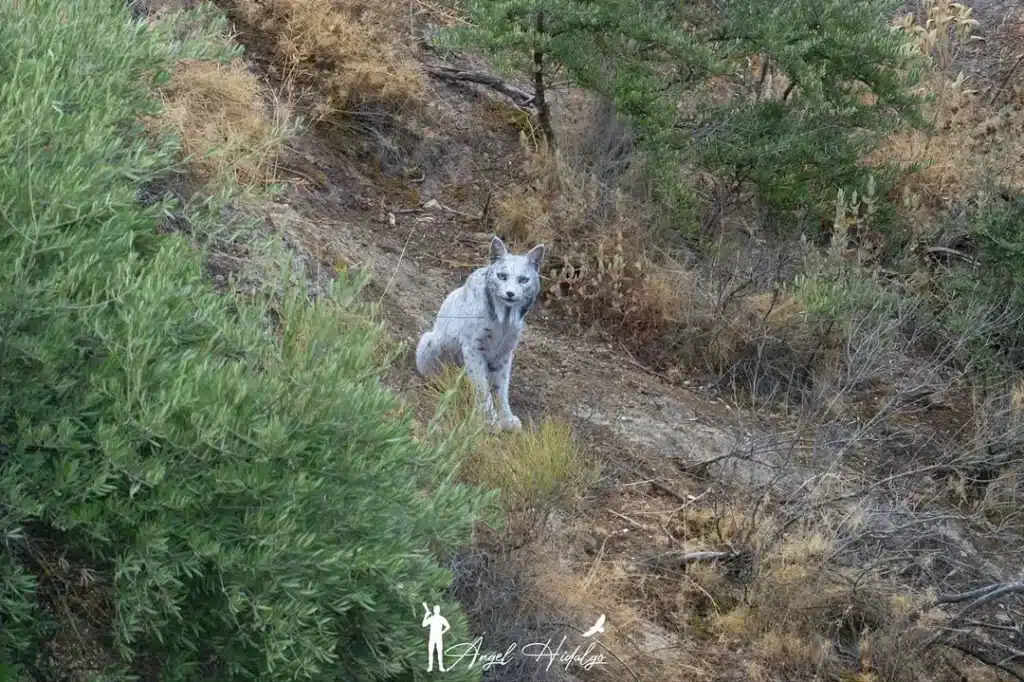
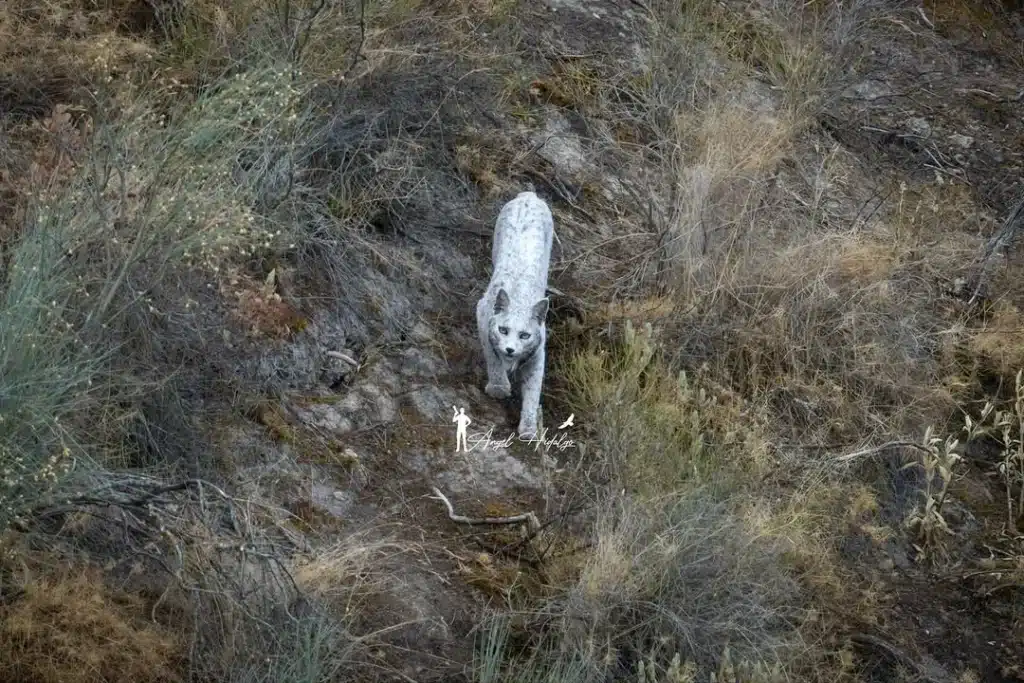
“Suddenly, I saw in the distance a white shape that seemed to radiate its own light,” Hidalgo recalled of his direct sighting. The animal moved through the rocky terrain with unmistakable lynx bearing—the characteristic ear tufts, the broad face, the powerful frame. Yet it wore a coat of such startling paleness that it seemed almost unreal, as though evolution had made a rare mistake, or perhaps a miracle.
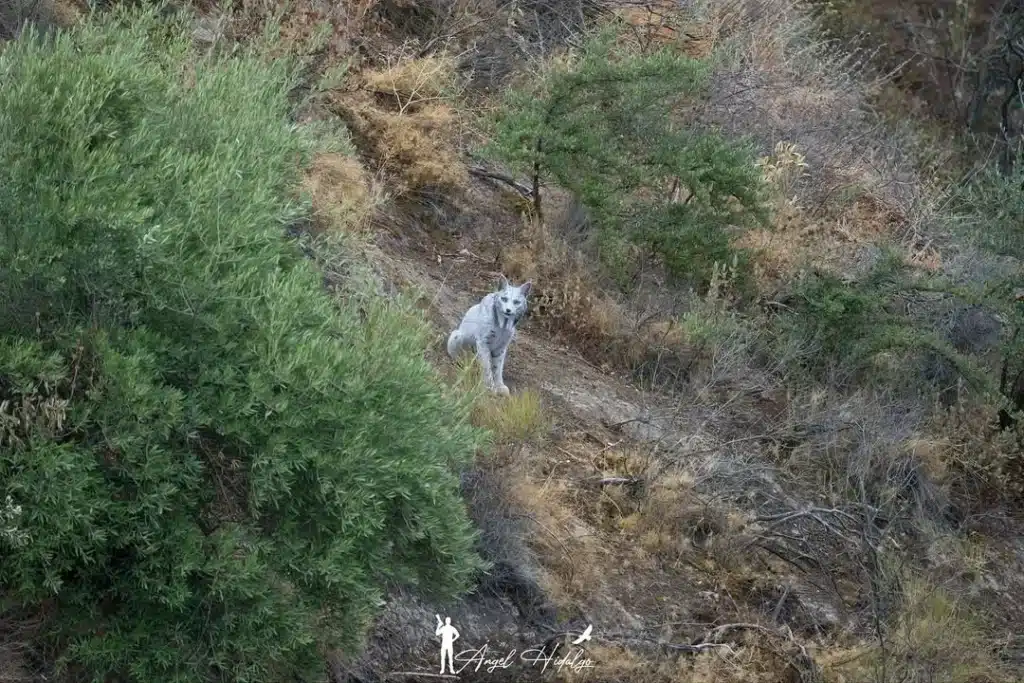
The news spread quickly through conservation circles, then outward to the wider world. Scientists scrambled to examine the photographs and footage. The answer they confirmed was both thrilling and troubling: the lynx possessed leucism, a rare genetic condition entirely different from albinism.
When Pigment Fails
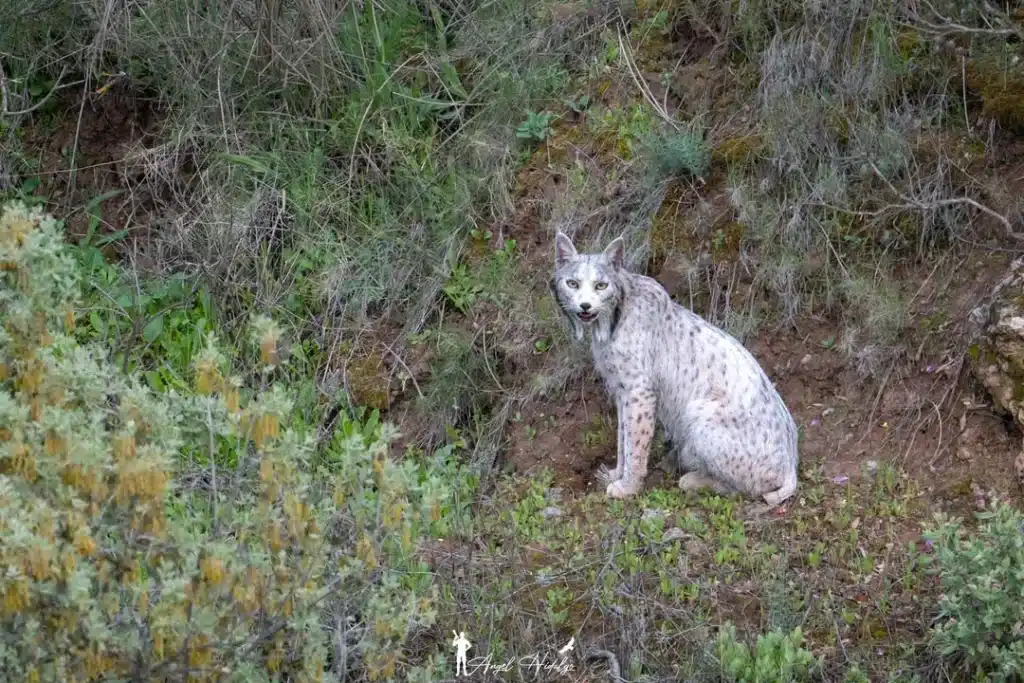
Leucism causes a partial or total lack of pigmentation in an animal’s skin and fur, although the eyes remain their natural colour, unlike in albino animals where pigmentation fails across the entire body. The white lynx’s eyes remained clear and dark. Its vision was unimpaired. Every other aspect of its physiology appeared normal—a perfectly functioning wild cat, dressed in an impossibly rare coat.
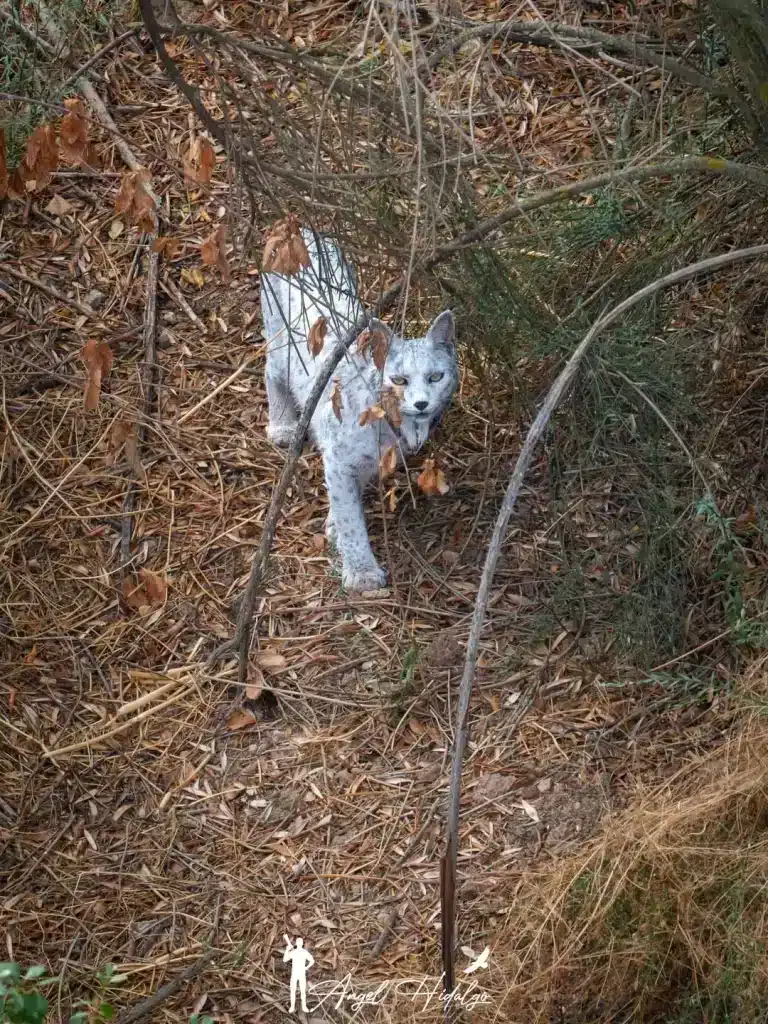
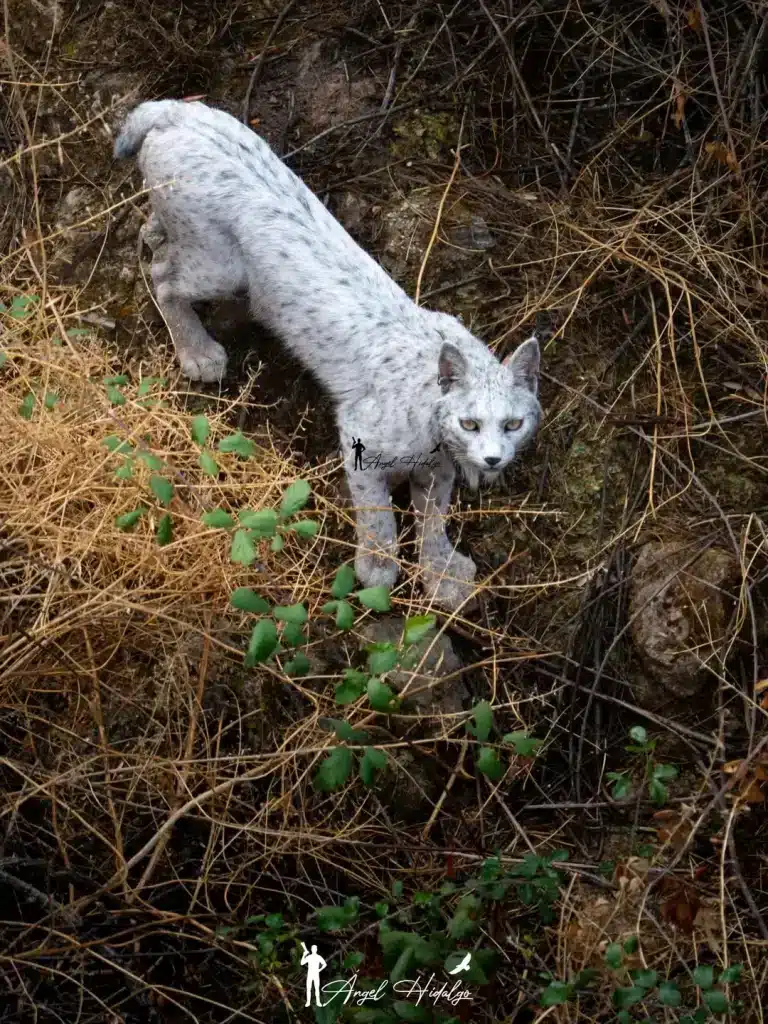
Scientists estimate leucism occurs in roughly one in 30,000 birds and mammals. To find it expressed in a species that had nearly vanished from Earth entirely suggested that something profound had shifted. The Iberian lynx, once a creature teetering on oblivion’s edge, now thrived robust enough to occasionally produce genetic anomalies. In a strange way, the white lynx became a symbol of recovery itself.
From Extinction’s Brink to Patagonia’s Lesson
Thirty years earlier, the idea of a healthy Iberian lynx population seemed impossible. In 2002, fewer than 100 animals survived in the wild. Habitat destruction, hunting, and the relentless human expansion across Spain and Portugal had carved the species toward obliteration. They were ghosts themselves, nearly—vanished from most of Europe centuries before, clinging to existence in fragmented pockets of Mediterranean forest.
Then governments and conservation organisations chose to act. The Spanish and Portuguese authorities launched intensive conservation programmes with funding from the European Union, capturing wild lynxes for breeding and reintroducing offspring while protecting habitat corridors across the Iberian Peninsula. Teams tracked every individual, studied every bloodline. Slowly, impossibly, the numbers began to climb.
By 2024, the population had grown from under 100 to over 2,000, and the species was reclassified from endangered to vulnerable by the IUCN in June 2024. It was one of Europe’s great wildlife restoration triumphs, whispered about in conservation circles with the kind of quiet pride reserved for genuine miracles.
The Price of Visibility
Yet the white lynx’s appearance raised uncomfortable questions. A white coat may render the lynx more visible to prey or predators, and potentially more vulnerable to threats like poaching or road-kills because of its rarity and conspicuousness. In a landscape of browns and greys, this animal stood out as unmistakably as a beacon. Every predator in the mountains could spot it. Every human who encountered it would remember.
This is why Hidalgo made a choice that conservationists quietly praised. He kept the sighting’s location secret. No coordinates. No breadcrumb trail for curious photographers or ill-intentioned poachers. Rather than disclose the exact location, he chose to protect the animal from unwanted human interference, reflecting the growing awareness that viral fame can sometimes endanger the very creatures it celebrates.
A Living Testament
The white Iberian lynx moves unseen through the Jaén highlands now, its pale coat making it both miraculous and vulnerable, visible and hidden. Researchers monitor it through camera traps, recording its movements, waiting to see whether this rare individual finds a mate, hunts successfully, perhaps even passes its unusual genetics to a new generation. The lynx’s appearance earned it nicknames like “the ghost of the forest,” its pale coat contrasting dramatically with the dark Mediterranean forest landscape yet retaining all the classic lynx features: ear tufts, cheek whiskers, and facial ruff.
The story of the white lynx is not really about the animal itself. It is about what the animal represents. A species brought back from the edge of forever. A population healthy and diverse enough to occasionally produce the impossible. A reminder that human choice—the decision to protect rather than exploit, to restore rather than destroy—can change the course of evolution itself.
Somewhere in those mountains, the ghost cat continues its hunt, improbable and luminous, carrying the hopes of everyone who believed that even the rarest creatures deserve a second chance.