Under the rippling blue surface of Lake Issyk Kul, a remarkable secret lies dormant, a medieval city of stone streets, churches, and bustling marketplaces frozen in time. Excavations reveal this settlement vanished in a heartbeat, swallowed by water after a violent earthquake centuries ago. The sheer scale of its preservation makes it one of the most extraordinary archaeological finds of recent decades.
A Thriving Trade Centre Turns Mysterious
Located in Kyrgyzstan’s majestic Tian Shan mountains, Lake Issyk Kul is not just a scenic wonder, it is the burial ground of a Silk Road hub. Archaeologists discovered foundations, walls, and ceramics from a settlement believed to be Turu Aygyr, once alive with merchants from China, Persia and beyond. Coins and pottery match styles known from 7th-10th century trade routes.
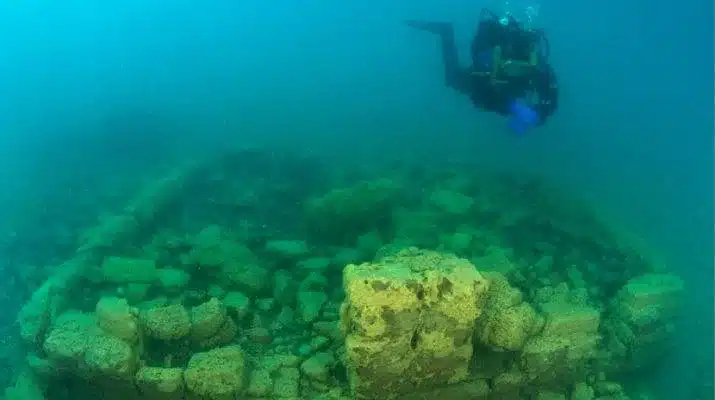
The city’s amenities hint at affluence. A large church points to Christian influence; animal bones show horse and cattle husbandry; luxury items reveal craftmanship and wealth. What went wrong? How did a prosperous metropolis disappear beneath the waves?
The Earthquake That Flipped Time
The culprit appears to be a powerful quake, perhaps in the 14th century, that triggered a sudden collapse. Scientists studying lake sediments found evidence of massive landslides plunging into the cold depths, instantly burying streets and homes. Underwater imaging shows the city’s layout intact, streets running straight, walls still upright, nothing smoothed out by gentle erosion.
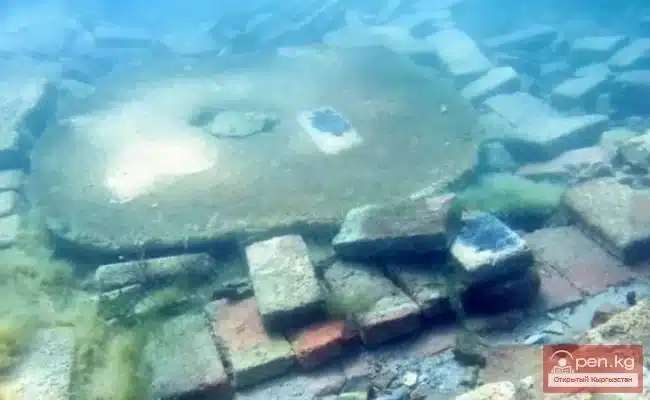
The abruptness tells a story. Residents likely fled or were caught in the catastrophe without time to salvage belongings. One surveyor described it as “a city in suspense” waiting for rescuers that never came.
Nature’s Own Time Capsule
Lake Issyk Kul’s cold, mineral-rich waters preserved the site in chilling detail. Underwater drones captured images of church ruins, fortification foundations and even household objects. The clarity amazes experts: rarely does a medieval city remain so readable beneath water. “It’s like stepping into a frozen moment,” one archaeologist said.
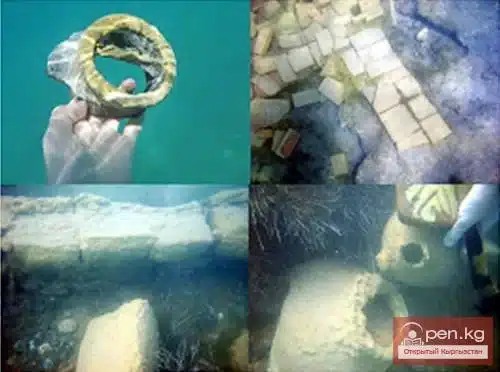
This site offers a unique window into the past. Trade routes, cultural blending, economic wealth and disaster all merged here. Researchers believe workshops, tombs and market stalls await discovery in deeper layers.
What It Means for History
The discovery challenges our assumptions about Central Asia’s medieval period. It confirms that urban sophistication existed far beyond the great capitals of the era, reaching far-flung lakeshores and remote mountain valleys. It reminds us that nature decides what lasts and in this case, nature did the burying.
For you and me, it opens a door to wonder. Next time you look at a calm lake, think of the earth shifting, a moment of chaos redirecting history forever. The silent depths of Lake Issyk Kul hold stories waiting to surface.
Published 3-February-2026