A cat stretched across the roof of a yellow taxi as the sun broke over the Bosphorus. Ferries groaned awake, street vendors rolled out carts of grilled corn, and the morning call to prayer drifted between old stone walls. Through it all, the cat remained still, blinking slowly, as if the city moved around it. In Istanbul, such a sight never surprised anyone. The cats had claimed this place long ago.
Where Cats Rule The Streets
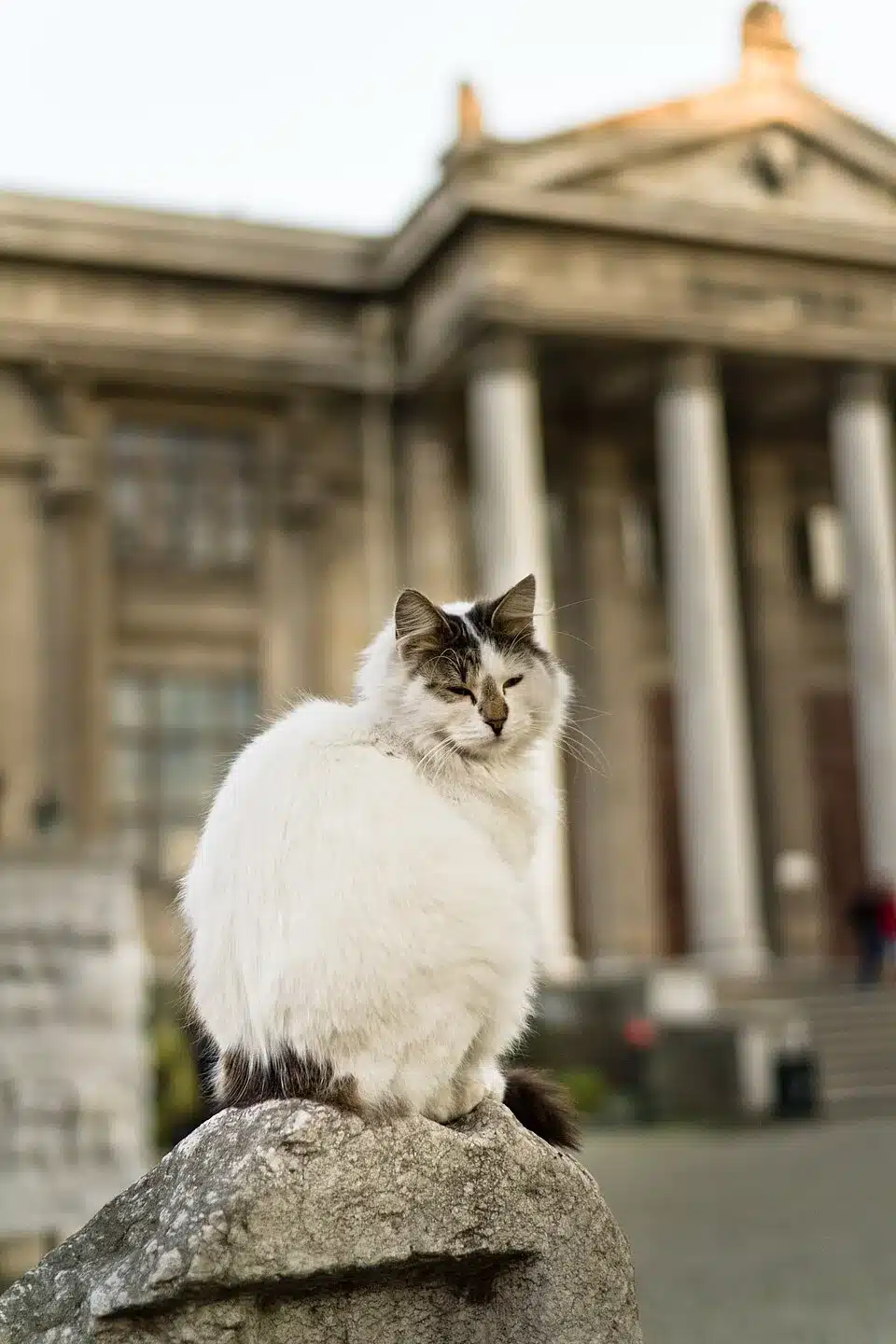
Istanbul carried many names across time, but one nickname kept slipping into conversations among travellers and locals. They called it Catstanbul, a city where thousands of street cats roamed freely through mosques, markets, metro stations and university classrooms. Estimates varied, with some figures placing the number at more than 125,000 and others stretching far higher. Whatever the exact count, cats appeared in every neighbourhood, perched on seawalls, benches, stone steps and café chairs.
They were not quite pets and not quite strays. Residents treated them as a shared responsibility. Bowls of dry food and water lined busy walkways. Tiny wooden houses appeared outside shops and flats. Many people offered scraps from meals or stopped to give a gentle pat to a friendly face waiting near a metro station. The city seemed loud and hectic, yet the cats moved through it quietly, softening edges that could feel harsh.
Roots Stretching Back Centuries
The bond did not appear overnight. Centuries earlier, Phoenician traders kept cats on ships to guard goods against rodents. Their voyages brought countless felines to the busy ports of what became Istanbul. Later, during the Ottoman era, most homes were built from wood. Mice and rats thrived in those structures, which made cats essential partners in everyday life.
Some families placed such importance on caring for them that a role emerged for people known locally as mancacı. Their task was to ensure neighbourhood cats were fed. Residents could even buy food from them and pass it to the animals themselves. In the religious traditions common in the region, cats were also viewed with affection. Stories passed down through writings described them as clean animals, protectors of important documents and companions that brought comfort.
Over time, these beliefs shaped a city that treated street cats as familiar neighbours. By the time modern Istanbul expanded into a bustling metropolis of millions, the presence of cats felt as natural as the ferries crossing the strait.
A City Built For Them Too
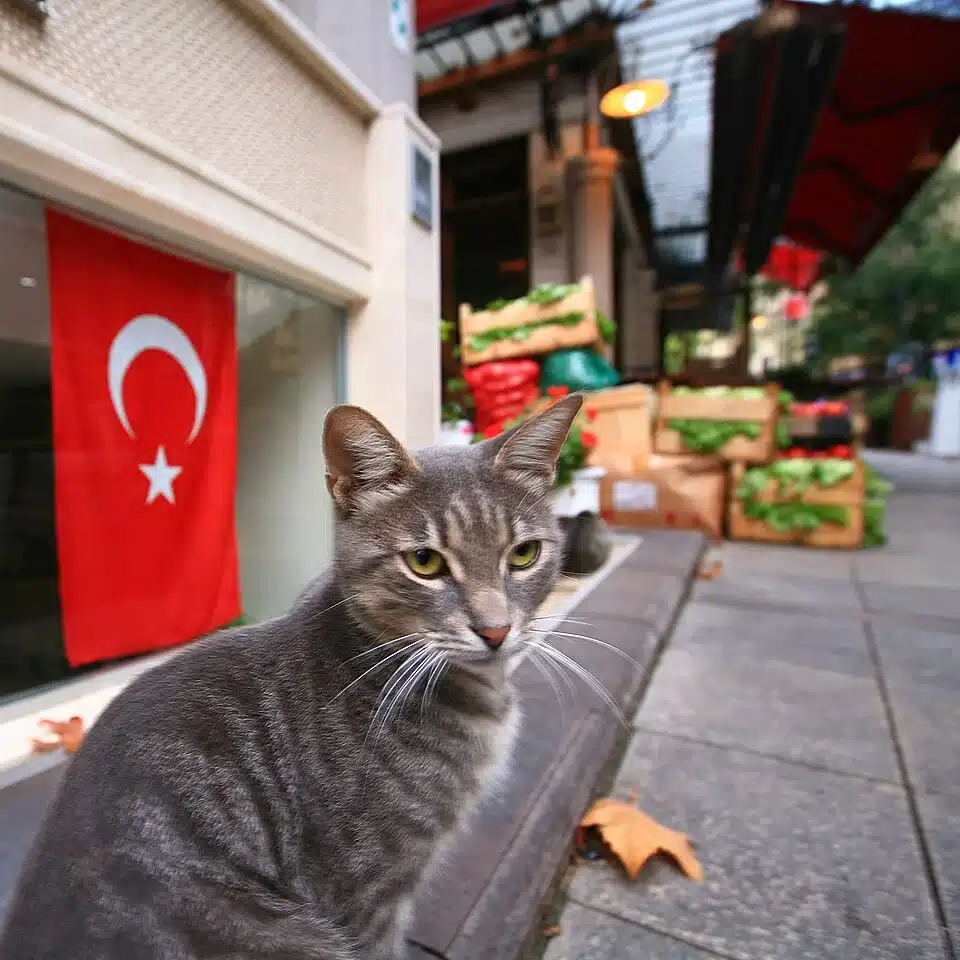
Modern life in Istanbul continued this long-held custom. Municipal veterinary departments offered free neutering services for street cats, and private clinics provided discounted treatment. Feeding areas stood outside many metro stations and markets. In some districts, vending machines dispensed food for both cats and dogs when people placed coins inside. Wooden shelters appeared in gardens, parks and alongside workplaces, especially in colder regions across the country.
Cats wandered through classrooms at Istanbul University, curled up on ferry seats, and rode buses without attracting a second glance. Shopkeepers often kept a resident cat inside, which encouraged curious customers to step through the door. Others left bowls of food under awnings near their entrances, knowing familiar paws would visit each day.
The cats gained global attention through social media accounts and popular films. The 2017 documentary Kedi followed several of Istanbul’s most recognisable felines through daily life. One cat reclining on a pavement became so well known that a statue was created in its honour after it died. Another, raised inside the Hagia Sophia, became a favourite among visitors.
The Softer Side Of A Hard City
Visitors often described the city as a puzzle of noise, movement and steep hills. Yet among all the motion, cats created calm moments in unexpected places. A traveller climbing towards the Galata Tower might pause on a wooden bench to rest and find a cat settling beside them. Someone leaning against a seawall to watch the ferries cross the strait might feel a gentle brush of fur against their leg. These small encounters lingered in memory long after travellers returned home.
Locals recognised the same effect. The cats brought a quiet steadiness to daily life. Even in spots filled with vendors calling out wares and crowds weaving through narrow streets, a single cat might sit in the sun, watching everything with unhurried eyes. That simple presence soothed a bustling city that rarely stopped moving.
The Challenges Behind The Charm
Life was not easy for every cat. In districts far from tourist areas, some struggled to find regular food. Catfights broke out at night. Veterinary researchers noted that certain parasites and viruses appeared among stray populations. Some experts raised concerns about public feeding stations attracting too many animals to one location. Earlier laws offered little protection to animals, and while later reforms increased penalties for cruelty, consistent care remained a challenge in many areas.
Still, new efforts continued. In early 2023, the city of Diyarbakır placed two hundred wooden houses across parks and buildings to create winter shelter for cats and dogs. The project planned to expand by teaching woodworking skills to locals so they could build more shelters.
Despite the difficulties, Istanbul’s cats carried on, weaving through daily life with resilience that mirrored the city itself.
A City And Its Cats, Sharing Space
By nightfall, the sounds of the city softened as ferries docked and shops closed. Street lights reflected on cobblestones, and cats emerged again, slipping through alleyways and quiet courtyards. Their presence spoke of centuries of coexistence, shaped by trade, tradition and daily care. In a world filled with concrete and steel, Istanbul offered a reminder of what happened when humans and animals shared space with patience, respect and a touch of affection.
The cat on the taxi roof settled back into the glow of the evening, as if reminding the city that every street still belonged to them.
Published 2-February-2026