Steel helmets gleam beneath museum lights in London. Lacquered armour stands silent inside glass cases. Nearby, a vivid crimson jacket embroidered with golden hooks rests against the display wall. The garment once protected women who fought fires inside a Japanese castle. Among swords and armour, the exhibition reveals an unexpected truth. For centuries, popular portrayals imagined samurai as men alone. New historical research now shows that women also formed a major part of the samurai class.
This surprising reality stands at the centre of the British Museum’s major exhibition Samurai, which opened on 3 February 2026 and runs until 4 May 2026. Through armour, clothing, artwork, and everyday household objects, the exhibition explores the long and complex history of Japan’s legendary warrior class. The story challenges one of the most familiar images in world history.
The Hidden Half Of The Samurai
Popular culture often presents the samurai as a lone male warrior gripping a sword. Films, video games, and modern storytelling have repeated this image for decades. Yet curators behind the British Museum exhibition argue that the popular image represents only a small portion of samurai life.
During Japan’s Edo period, which began in the early 17th century, women made up roughly half of the samurai class. These women usually did not serve as battlefield fighters during this era of relative peace. Instead, they held recognised positions within the social structure that defined samurai identity.
Samurai functioned as a hereditary elite rather than simply professional warriors. Their responsibilities included administration, scholarship, cultural patronage, and household leadership. Women within samurai families played key roles in maintaining estates, preserving family honour, and protecting households when necessary.
Objects displayed in the exhibition illustrate these responsibilities. Robes, mirrors, grooming tools, etiquette manuals, and household items reveal everyday life within samurai households. These artefacts demonstrate that samurai identity represented a social class as much as a military role.
Warriors Of Legend
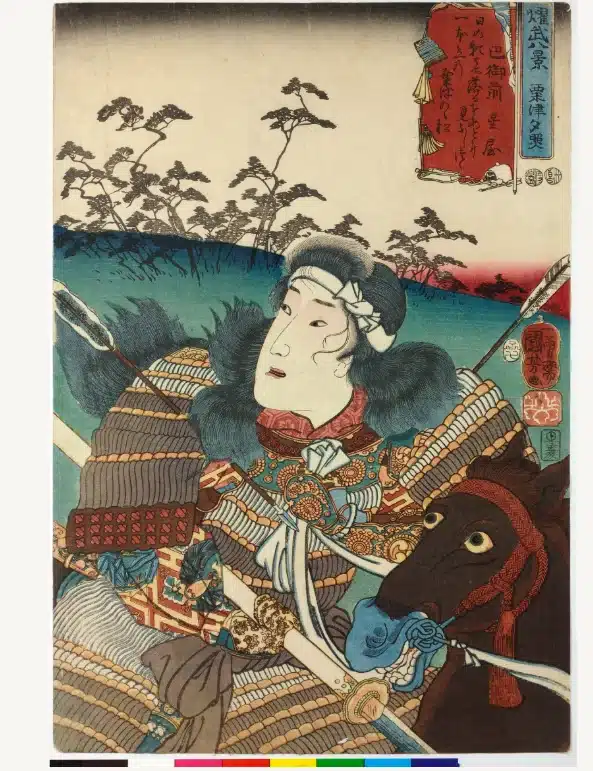
Although many samurai women lived outside the battlefield, Japanese historical traditions still record examples of female fighters.
One of the most famous figures is Tomoe Gozen, remembered in medieval accounts for fighting in the late 12th century and, in some stories, leading troops in battle. Chronicles describe her as a skilled warrior capable of fighting alongside male samurai.
Another figure, Ōhōri Tsuruhime, defended the island of Ōmishima during the 16th century. Historical accounts describe how she confronted enemy forces and killed an opposing commander during a naval conflict.
These stories helped shape the historical concept of female warriors, sometimes described by terms such as onna-bugeisha and onna-musha.
Historians continue to debate how common female fighters were in Japanese warfare. Even so, these accounts demonstrate that women sometimes participated directly in combat during earlier periods of conflict.
Peace Changes A Warrior Class
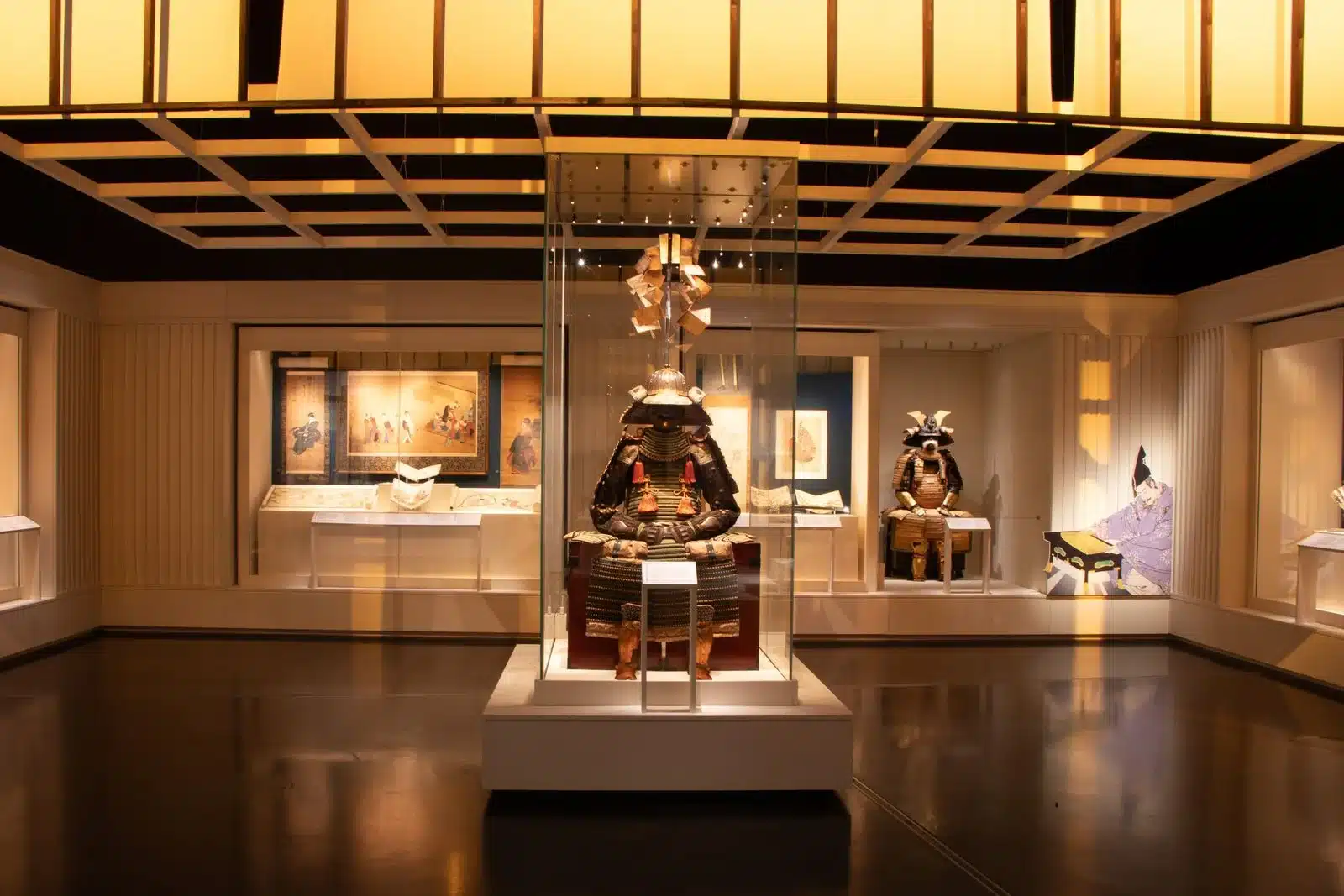
The samurai first emerged around the 12th century as professional fighters serving powerful landowners. As Japan’s military governments expanded, these warriors developed into an influential ruling class.
For centuries, civil wars shaped their role. In 1615, Japan entered a long era of stability under Tokugawa rule. Large-scale warfare largely disappeared, and samurai gradually shifted away from battlefield life.
Many members of the class became bureaucrats, scholars, administrators, and cultural leaders. Scholarship, diplomacy, and artistic patronage became central parts of samurai identity alongside martial traditions.
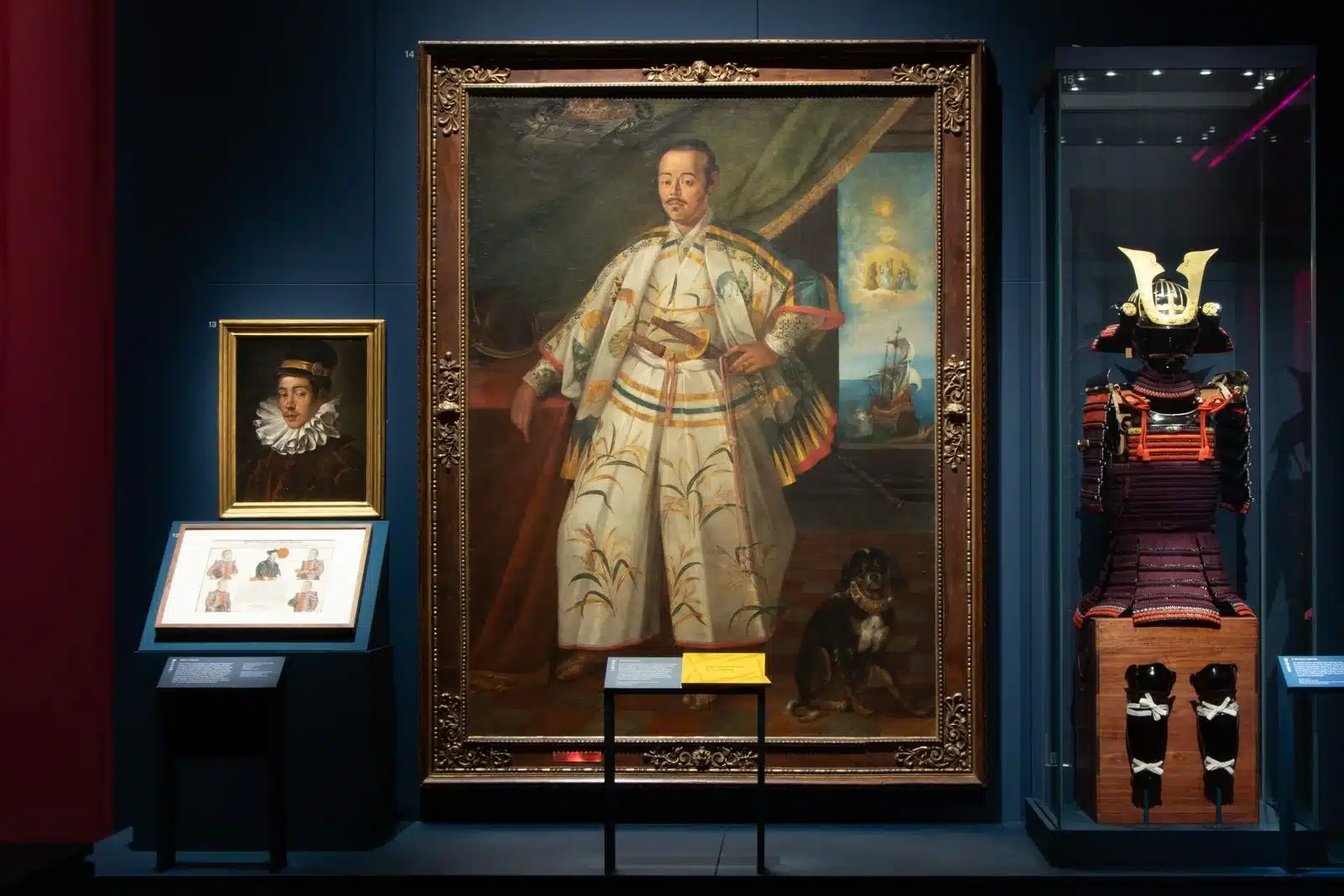
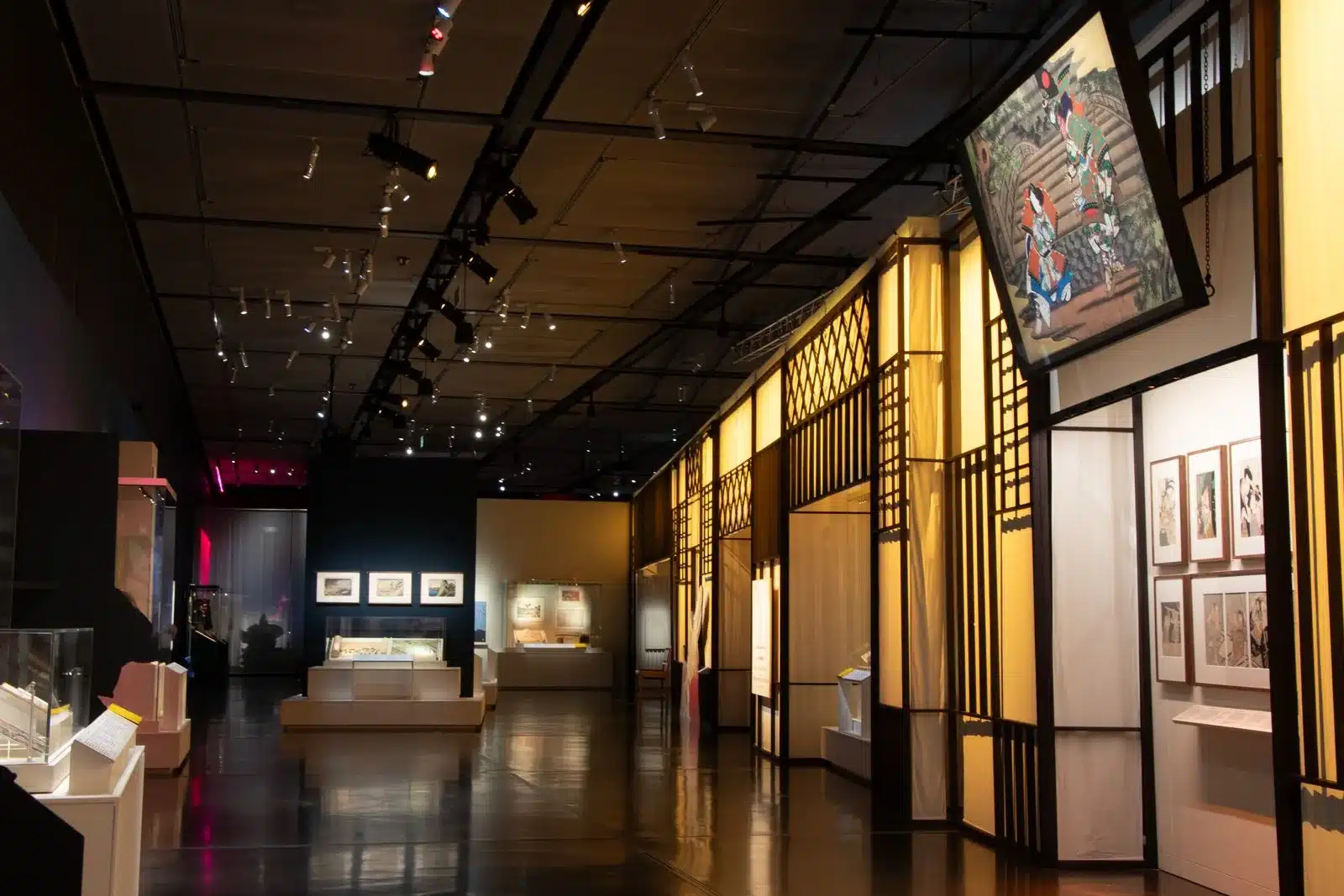
The British Museum exhibition traces this transformation through more than 280 artefacts drawn from collections around the world. Armour, helmets, woodblock prints, ceramics, manuscripts, and clothing illustrate how samurai life evolved during centuries of peace.
Some objects capture the rhythms of everyday life. A 19th-century card game once entertained samurai guards during quiet shifts. Dressing sets, robes, and mirrors reflect daily life within elite samurai households.
Together, these objects reveal a warrior class reshaped by stability and culture.
The Firefighters Of Edo Castle
One striking object highlights an unexpected duty performed by samurai women. A vermilion firefighting jacket once protected women stationed inside Edo Castle. Fires frequently swept through the wooden city of Edo, which later became modern Tokyo. Residents even referred to these disasters as the “flowers of Edo” because flames appeared so often.
Women within the castle trained to defend its inner quarters against fire. The jacket’s embroidered grappling hooks and flowing water patterns symbolised protection against flames. The garment illustrates how samurai responsibilities extended far beyond combat.
Duty could involve scholarship, estate management, cultural leadership, or protecting households and buildings from disaster.
From Warriors To Cultural Icons
The exhibition also explores how samurai transformed into global cultural symbols. During the late 19th century, Japan abolished the hereditary samurai class as the country modernised during the Meiji era. Even after the class disappeared, the image of the disciplined warrior continued to influence society.
Ideas associated with samurai values gradually shaped the concept of bushidō, often described as a code of honour.
Artists, filmmakers, and designers later reimagined the samurai figure across modern culture. Cinema, fashion, and video games continue to draw inspiration from the distinctive armour and imagery of these historical warriors. Even science fiction characters such as Darth Vader echo design elements influenced by samurai armour.
The exhibition places these modern interpretations beside historical artefacts to illustrate how myth and reality gradually blended together.
A Warrior Story Reconsidered
The exhibition ultimately reframes the familiar story of Japan’s warriors.
Instead of a single image of armoured men charging into battle, historical evidence reveals a complex social class shaped by warfare, peace, culture, and family life. Women formed a significant part of that structure, even though popular imagery rarely acknowledged them.
Through armour, paintings, clothing, and everyday tools, the objects displayed in London reveal the often-overlooked role of women in samurai history. Inside the museum gallery, beneath silent helmets and lacquered blades, a quiet truth stands beside the steel.
For centuries, popular portrayals cast the samurai as a brotherhood of warriors. The historical record now shows that women stood within those ranks as well.
Photo Credit: The British Museum
Published 4-March-2026