The room flickered with candlelight in Cairo in April 1904. Paper covered the floor. Ink stained the desk. Aleister Crowley wrote for hours, convinced a voice spoke through the silence. He believed the message did not come from the city outside, but from something unseen. Over three days, from 8 to 10 April, he recorded words he claimed announced a new age. That moment would follow him for the rest of his life.
The Making Of The Beast
Aleister Crowley was born Edward Alexander Crowley on 12 October 1875 in Royal Leamington Spa, England. He grew up wealthy, but under rigid religious discipline. His parents belonged to the Plymouth Brethren, a Christian group that structured daily life around scripture and obedience. When his father died in 1887, Crowley’s faith collapsed. He challenged biblical teaching, rejected Christian morality, and embraced behaviour meant to shock authority.
His mother called him “the Beast”, a label drawn from the Book of Revelation. Crowley adopted it as an identity. In his early twenties, he abandoned his birth name and chose “Aleister”, a deliberate reinvention aimed at recognition and permanence.
Cambridge, Cliffs, And Occult Doors
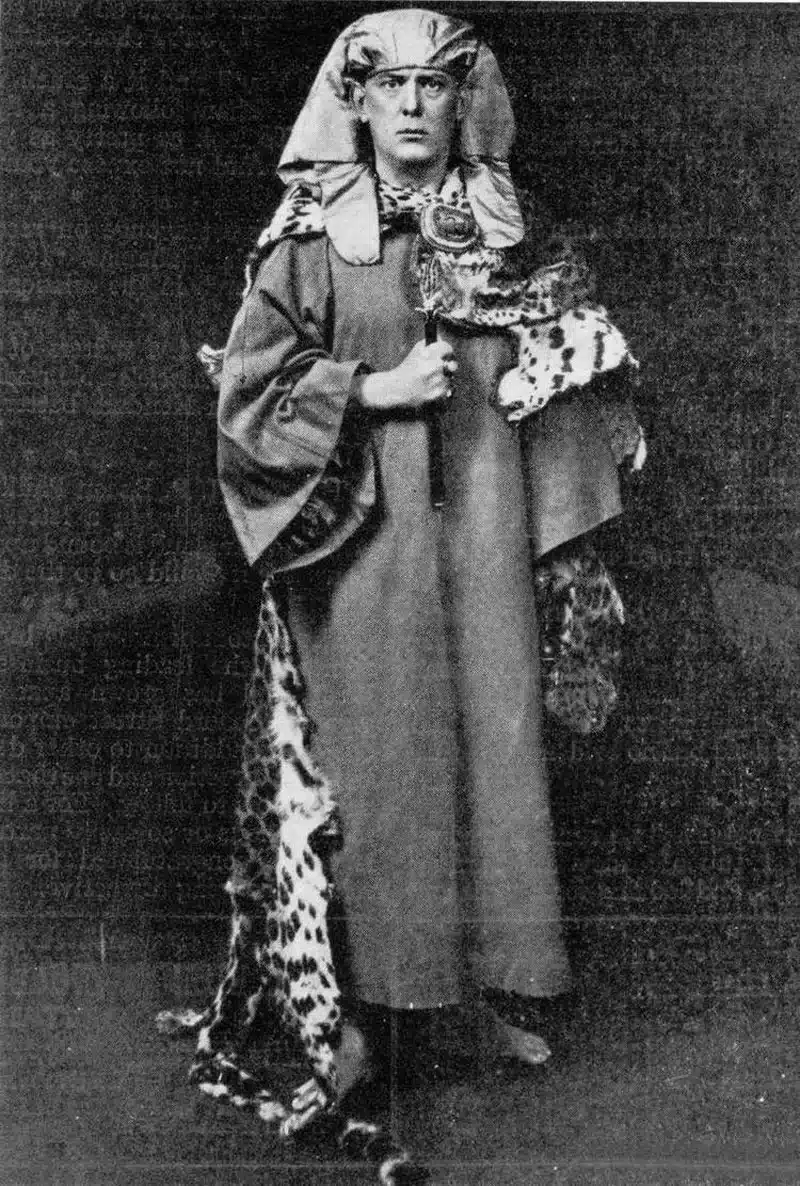
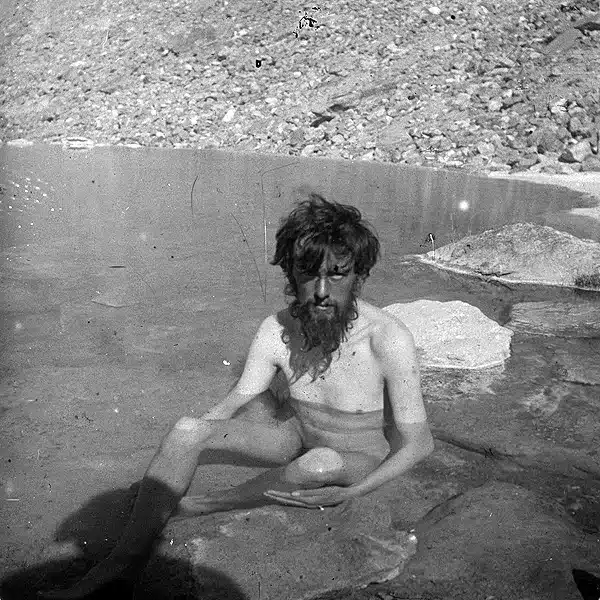
Crowley entered Trinity College, Cambridge in 1895. Academic study mattered less to him than chess, poetry, and mountaineering. He climbed extensively in the Alps and later joined ambitious expeditions to K2 in 1902 and Kanchenjunga in 1905. The Himalayan attempt ended in disaster when climbers died, leaving Crowley blamed by many within the mountaineering community.
Alongside physical risk, he pursued hidden knowledge. In 1898, he joined the Hermetic Order of the Golden Dawn, an esoteric society devoted to ceremonial magic. Members practised rituals intended to reach unseen forces. Crowley’s excesses and refusal to conform created bitter disputes. The group fractured, and Crowley departed amid hostility and lawsuits.
A Voice In Cairo
In 1904, Crowley married Rose Kelly and travelled to Egypt. While staying in Cairo, Rose entered altered mental states and insisted a message awaited him. Crowley later claimed a non-human voice named Aiwass spoke to him. Between 8 and 10 April, he wrote Liber AL vel Legis, later known as The Book of the Law.
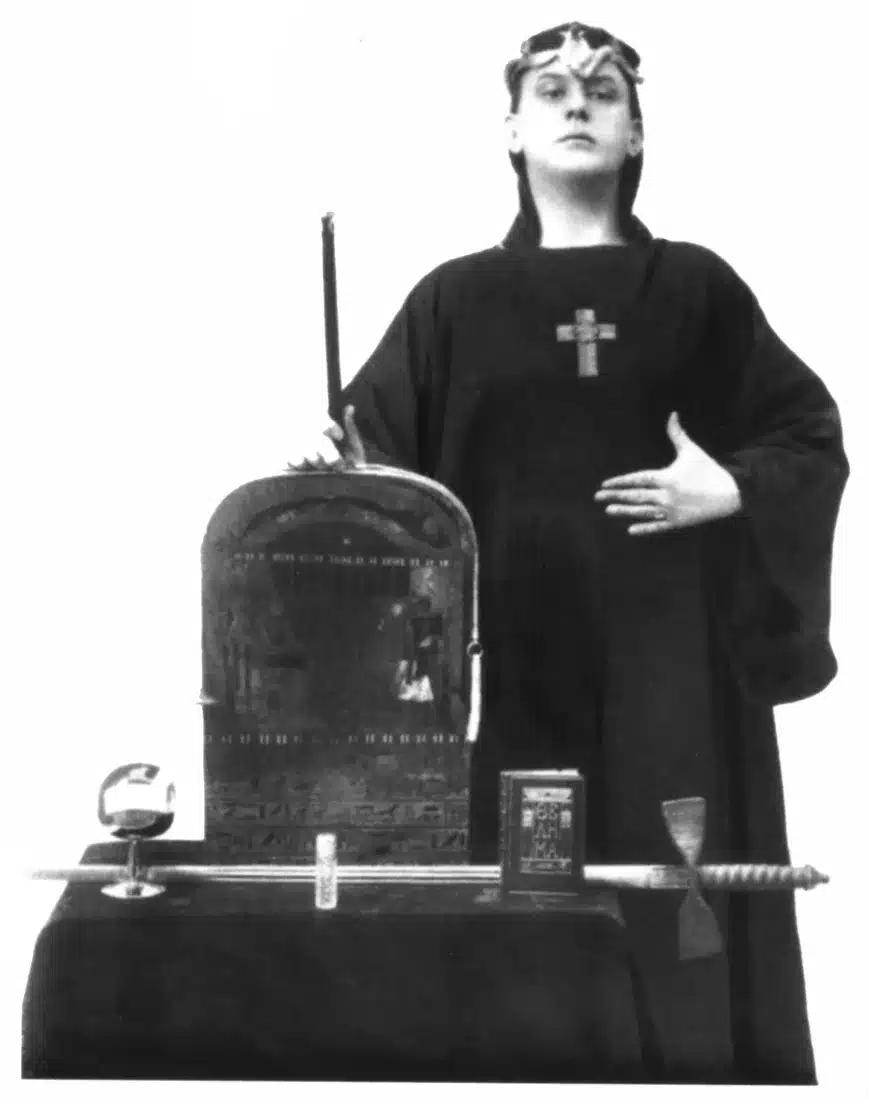
The text proclaimed the arrival of a new spiritual era and placed individual will at its centre. From this, Crowley formed a religion called Thelema. He believed every person possessed a “True Will” and that fulfilment came from discovering and following it. To spread the doctrine, he founded the A∴A∴ in 1907 and later reshaped the Ordo Templi Orientis after joining it in 1912.
The Abbey Where Rumours Thrived
Crowley’s ideas took physical form in 1920 with the creation of the Abbey of Thelema in Cefalù, Sicily. Followers lived communally, practised ritual magic, and rejected social restraint. Drug use and sexual experimentation formed part of daily life.
In 1923, a follower died after falling ill. Rumours exploded. British newspapers labelled Crowley “the wickedest man in the world”. Italian authorities expelled him from the country, forcing the Abbey to close. The scandal followed him across Europe.
Addiction, Poverty, And Persistence
The later decades of Crowley’s life moved between cities and crises. Chronic illness worsened. Heroin addiction drained his finances. Lawsuits and bankruptcy left him dependent on supporters. Despite this, he continued writing. Works such as Magick in Theory and Practice and The Book of Thoth refined his ideas on ritual, symbolism, and tarot.
During the Second World War, Crowley offered assistance to British intelligence but received no official role. He spent his final years in boarding houses, teaching and writing while attracting a steady stream of visitors drawn by his reputation.
A Death That Refused Silence
Crowley died on 1 December 1947 in Hastings, England, aged 72. His funeral drew only a small group, yet controversy returned. Newspapers condemned the ceremony as a Black Mass. Even in death, outrage followed him.
The Afterlife Of An Outcast
Crowley’s influence expanded after his burial. Musicians, writers, and filmmakers absorbed his image and ideas. His face appeared on a Beatles album cover. Rock musicians referenced his work. Occult groups adapted his teachings. Thelema endured, with thousands of adherents worldwide by the early 21st century.
Supporters viewed him as an advocate of personal freedom. Critics recalled cruelty, manipulation, and excess. What remained undeniable was his impact. Crowley reshaped modern occult thought and became a focal point for debate about belief, rebellion, and notoriety.
In quiet rooms, long after the candles burned out, his name still circulates.
Published 26-Jan-2026
Photo Credit: Wikipedia