It sat there quietly for millennia, carved into the English landscape, hiding in plain sight. No towering stones. No dramatic ruins. Just a vast ring of pits so enormous it dwarfs Stonehenge itself. And until recently, no one truly understood what it was. Now, scientists say this colossal structure is not natural at all. It is deliberate. Human made. And it rewrites the scale of prehistoric ambition in Britain.
A Monument You Cannot See From the Ground
The discovery centres on a massive circular arrangement of deep pits near Durrington Walls, roughly three kilometres from Stonehenge. The circle measures close to two kilometres across. Each pit reaches up to ten metres wide and five metres deep. More than twenty pits form the ring.
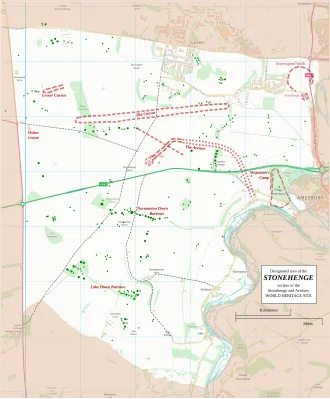
Centuries of erosion and farming softened the edges. From the ground, the pits blend into the landscape. Only advanced remote sensing and soil analysis revealed the full pattern. Once mapped, the geometry became undeniable. The pits form a near perfect circle, spaced with intention.
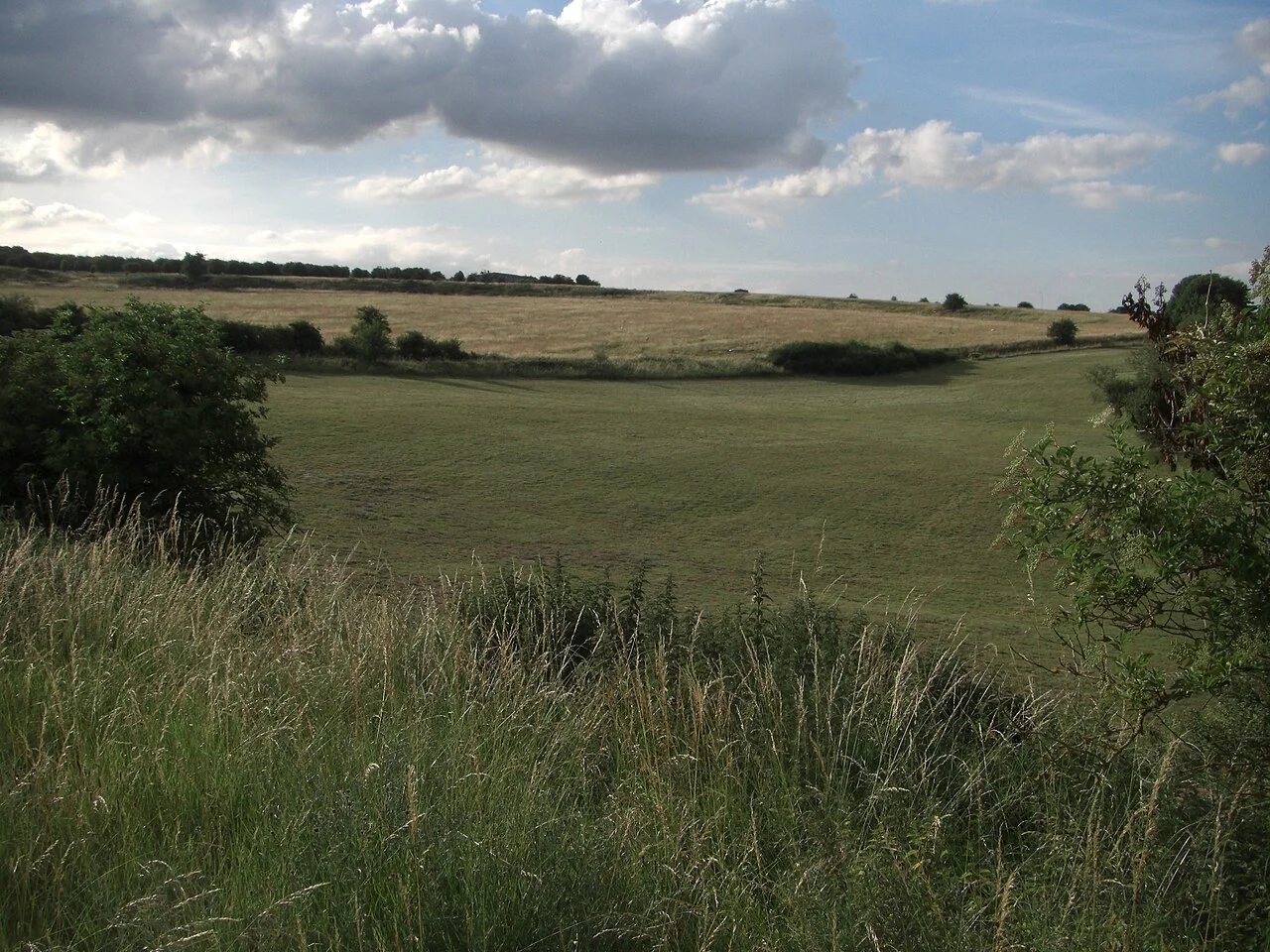
Researchers concluded this was not the result of erosion, flooding, or ice age processes. The structure was planned, executed, and maintained by people living thousands of years ago.
Stone Age Engineering on an Epic Scale
The scale of effort involved defies modern assumptions about Neolithic life. These pits were dug using stone, wood, and bone tools. Each pit required immense labour. Together, they demanded organisation across communities.
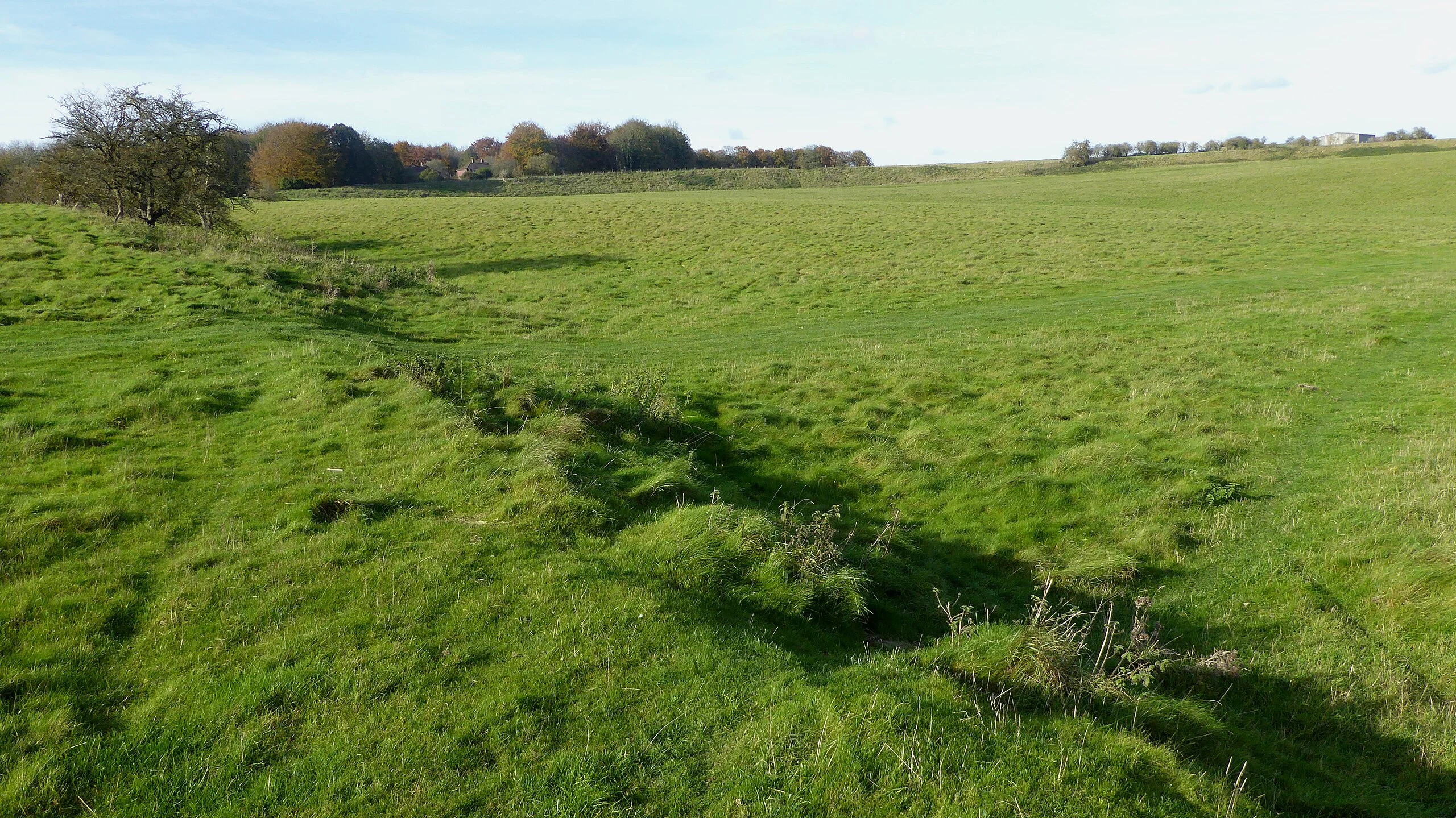
This was not survival digging. The structure suggests coordination, leadership, and shared belief. The pits may have marked sacred boundaries or guided movement toward ceremonial centres like Durrington Walls, itself a vast settlement linked to Stonehenge.
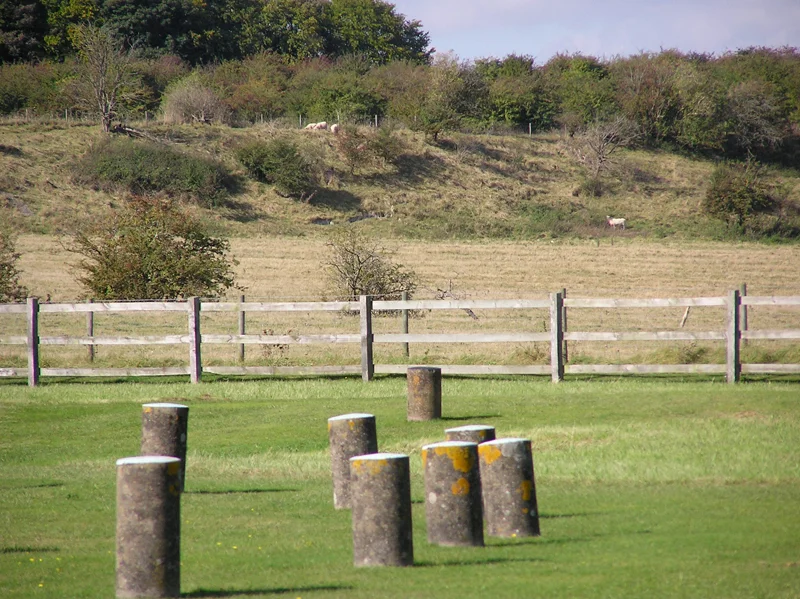
Soil evidence confirms deliberate excavation. The pits align with landscape features rather than convenience. This was architecture made of earth, driven by meaning rather than shelter.
A Lost World Beneath Familiar Fields
What makes the discovery unsettling is its location. This landscape ranks among the most studied in the world. Yet the pit circle remained misunderstood for generations. New analysis revealed the structure may predate Stonehenge by thousands of years. This places it among the earliest large scale constructions known in human history.
The people who built it had no written language. No metal tools. No wheeled transport. Yet they reshaped the land with precision and intent. This challenges the idea of small, scattered communities barely surviving. It suggests societies capable of planning on a monumental scale.
Why This Changes Everything We Thought We Knew
This discovery forces a rethink of prehistoric Britain. Stonehenge no longer stands alone as the centrepiece of ancient ambition. Earthworks may have come first, setting the stage for stone monuments later.
It also raises an uneasy question. How many other monuments remain hidden beneath modern landscapes. How much human history still waits unseen. Sometimes the most extraordinary discoveries do not rise above the ground. They wait beneath it, patient enough to outlast memory itself.
Published 1-March-2026