When the people of Qikiqtarjuaq wake up and fetch water, many residents chip pieces of grounded icebergs and melt them for tea or drinking water. They chip at icebergs that have drifted into their shallow bay, ancient frozen giants that glisten like diamonds. Imagine boiling tea from water that first froze possibly thousands of years old. In Nunavut, the world’s northernmost territory, the extraordinary is part of everyday life.
Land of Ice and Dreams
Nunavut turned 25 years old in 2024, still young compared to Canada’s older provinces, yet already full of triumphs and struggles.
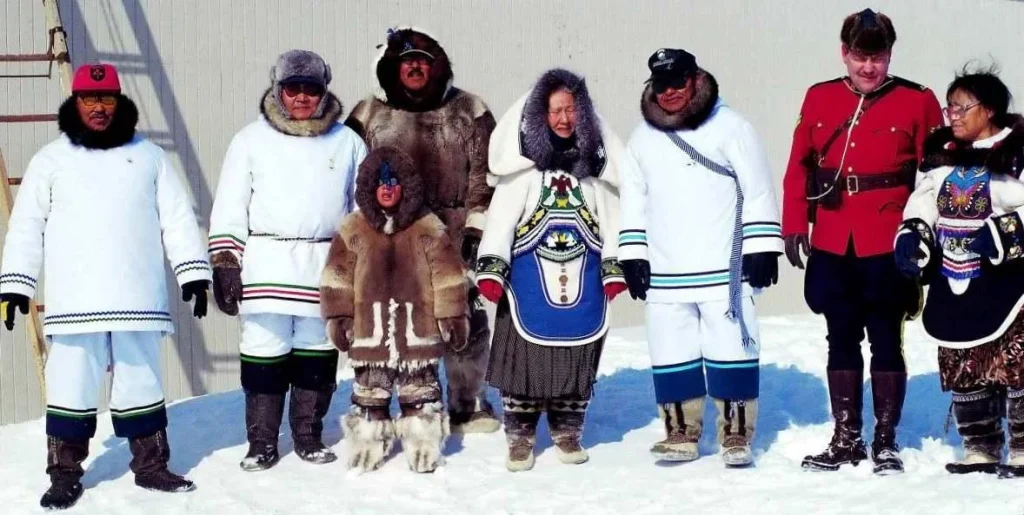
Carved out of the Arctic in 1999, it was created as a homeland for the Inuit, a people whose strength and culture are woven into the land itself. For many, the silver anniversary was not just about looking back but about proving that Nunavut was maturing into the place it was meant to be. Local newspapers described young athletes shining at the Arctic Winter Games while officials spoke about difficult but necessary work to make the government more open and effective.
Iceberg Capital of the World
Far from the political offices in Iqaluit lies Qikiqtarjuaq, a tiny hamlet that proudly calls itself the iceberg capital of the world. Every spring, towering icebergs drift south from Greenland through Davis Strait. The shallow waters near the hamlet trap these monsters of ice, some taller than city skyscrapers.
Locals collect chunks of this ice, break them apart, and melt them into some of the purest drinking water on Earth. This practice is not just practical but cultural, connecting generations through a ritual that blends survival and identity.
The Inuit concept of naglingniq, meaning love and compassion, shines here. People share iceberg water freely, keeping alive traditions that have sustained them for thousands of years.

Struggles Beneath the Surface
Yet, for all its natural wonders, Nunavut faces immense challenges. Many government jobs remain unfilled, leaving critical services under strain. Residents demand greater transparency from their leaders.
Housing shortages, limited healthcare, and a lack of youth opportunities still weigh heavily. These are not hidden problems. They are openly discussed in community gatherings, and leaders admit that Nunavut must do better to serve its people.
Language, Land, and Control
One of the most powerful markers of Nunavut’s growth is its focus on protecting Inuit language and culture. Historian Kenn Harper explained how learning Inuktitut gave him deeper understanding of Inuit life, reminding outsiders that words hold the rhythm of a people’s heart. At the same time, political leaders push for stronger control of Nunavut’s land.
Premier P.J. Akeeagok highlighted a land transfer agreement that finally allows the territory to manage its resources directly. This was not just a bureaucratic shift but a symbol of independence, showing that Nunavut could shape its own future without always waiting for decisions from Ottawa.
Extraordinary in Every Sense
Where else in the world can you see children playing hockey under the glow of the Northern Lights, or sip tea brewed from ice that may be thousands of years old?
Nunavut is a place where the extraordinary is ordinary. It is where culture and survival have blended for millennia and where modern challenges push against ancient traditions. At 25, Nunavut is still growing, still struggling, but it stands as proof that a land carved from ice can beat with a human heart.