In the shadows of war, some heroes never fired a gun, but carried more courage than an army. Vera Atkins, a soft-spoken, immaculately dressed British intelligence officer, spent her war not just sending spies behind enemy lines, but after peace was declared, she hunted down their fates, one by one. Her mission? To solve the greatest espionage cold case of WWII, what happened to the 118 missing agents she had personally sent into Nazi-occupied France. In an astonishing tale of secrecy, sacrifice, and steel nerves, Vera’s story reads like a thriller, except every name she chased was a real person. And she never forgot a single one.
From Bucharest to British Intelligence
Born Vera May Rosenberg in 1908 in Bucharest to a wealthy Jewish family, Vera seemed an unlikely candidate for wartime legend. Fluent in multiple languages and raised in European high society, she moved to Britain in the 1930s with her mother to escape the creeping rise of Fascism. But her quiet refinement masked a razor-sharp intellect and a resolve of iron.

By the outbreak of World War II, she had found her calling in the Special Operations Executive (SOE), a shadowy branch of British intelligence created by Winston Churchill to “set Europe ablaze” through sabotage, resistance support, and espionage. Though she officially held an administrative role, Vera quickly rose to become the intelligence officer for the SOE’s French Section, recruiting and dispatching agents into occupied France. Many were women, some barely trained. But Vera had an uncanny instinct, she could read people like code.
The Final Mission: Finding the Missing
When the war ended, Vera’s role should have been over. Instead, she embarked on a personal mission unlike any other. Of the 400 agents sent into France, 118 never came home. For Vera, they weren’t just numbers, they were names, faces, friends.
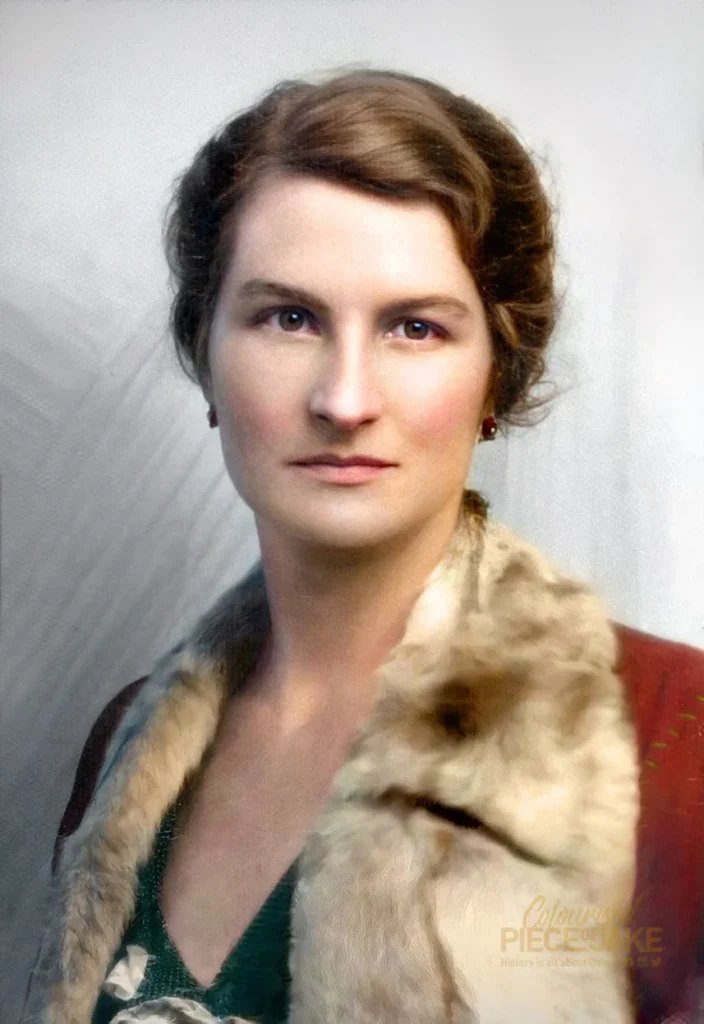
In 1945, as part of the British War Crimes Commission, Vera travelled across war-ravaged Europe to find the truth. She visited concentration camps, interviewed SS officers, trawled through Nazi records, and retraced her agents’ final steps. Her work was meticulous, she even posed as a journalist to interrogate war criminals. In an era before Google and DNA, this was detective work powered by grit and grief.
One by one, she tracked down what had happened to each missing agent. Some were executed by the Gestapo. Others perished in camps like Ravensbrück. Through all of it, Vera kept going until only one remained unaccounted for. Out of 118, she solved 117 fates.
Secrets, Spies, and Silence
Despite her service, Vera’s own life remained cloaked in secrecy. She rarely spoke publicly about her work, and much of her personal history, including her real name and Jewish origins, was kept under wraps until later in life. Even her nationality was once obscured; though she became a British citizen in 1941, questions lingered about her past.

Her discretion was legendary. Colleagues described her as elegant, calm, and intimidatingly competent. She demanded excellence from her agents but carried the weight of their deaths like a silent burden. “She felt personally responsible,” one account said. “She sent them out. She had to know what became of them.”
Honoured by Nations, Remembered by Few
For her extraordinary work, Vera was awarded the Croix de Guerre by France in 1948 and became a Commandant of the Legion of Honour in 1987. Yet outside intelligence circles, she remained little known until late in life.
She died in 2000 at age 92, having lived through one of the most dangerous, secretive, and morally complex periods in history. She never wrote a memoir. She never sought fame. But in the murky world of spies and sacrifice, Vera Atkins left behind a legacy of fierce loyalty, quiet heroism, and a relentless pursuit of truth, even when that truth was unbearable.