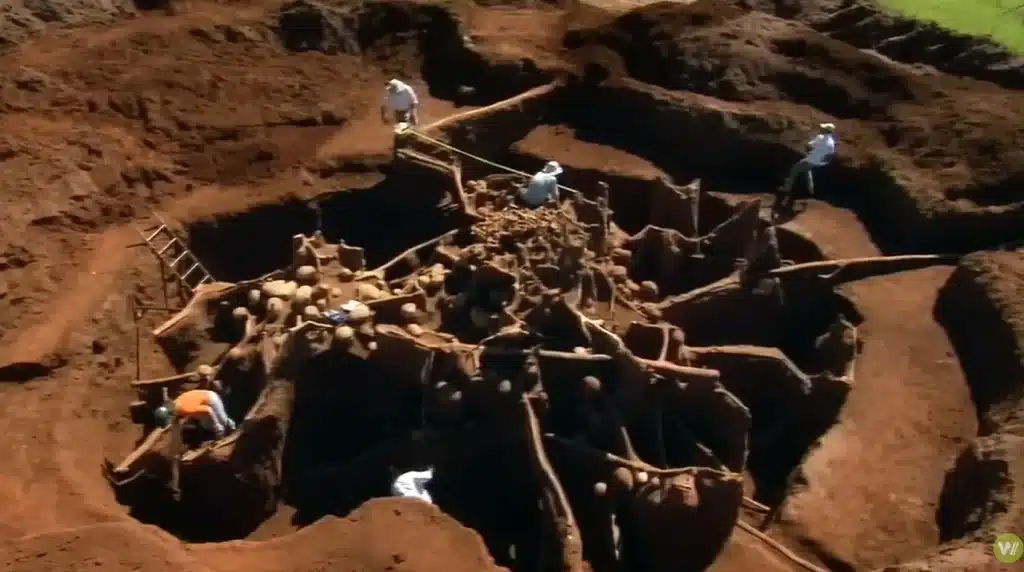
Picture this: a sprawl of connected chambers, carefully designed tunnels, and purposeful architecture stretching across fifty square metres and descending eight metres into the earth. Now imagine discovering all of this was constructed not by humans, but by insects smaller than a grain of rice. In 2012, scientists investigating an abandoned ant colony in Brazil stumbled upon something that would challenge how we understand animal intelligence—a hidden mega-city that researchers described as the ant’s own version of the Great Wall of China.
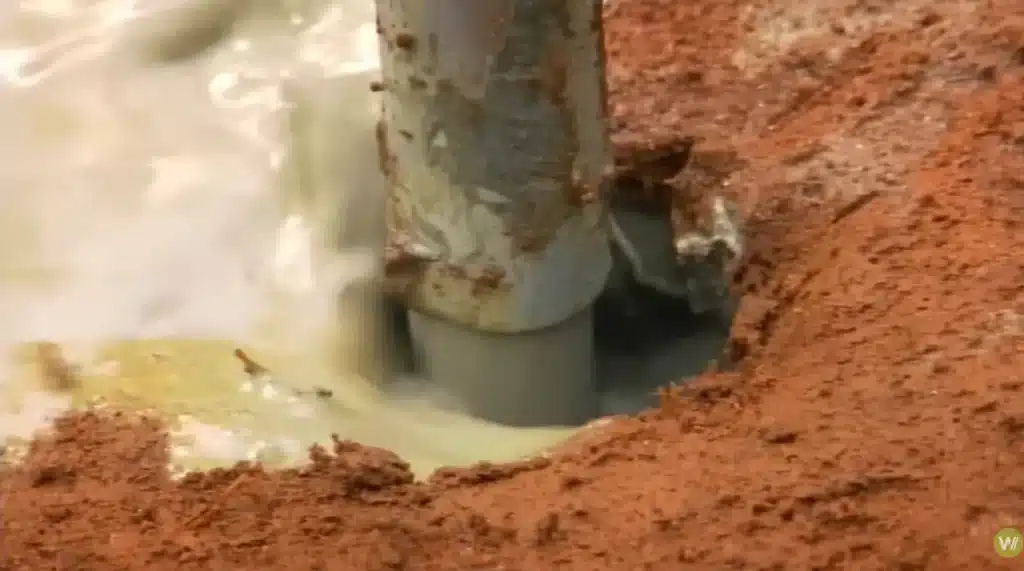
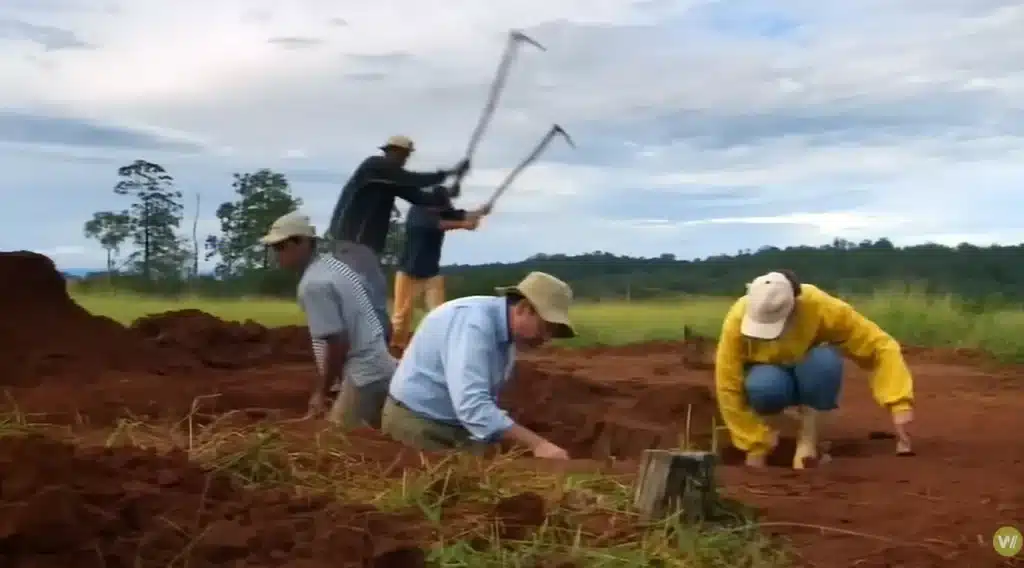
The discovery came about through an unconventional method. As part of the documentary Ants! Nature’s Secret Power, researchers poured ten tonnes of cement into the abandoned underground passages. The cement hardened around the intricate tunnel system, creating a detailed cast of the entire structure. When scientists carefully excavated and removed the cast three days later, they uncovered something extraordinary: a fully realised underground civilisation.
More Than We Expected
The scale of what the ants had engineered was striking. The cast revealed not just tunnels, but a sophisticated network of chambers, each designed for specific purposes. There were storage areas, nurseries, and thoroughfares—some narrow passages appearing to function as express routes, allowing quicker movement through the network. Scientists recognised this as evidence of collective planning, a coordinated effort by thousands of individuals working toward shared survival.
This discovery underscores what researchers have long suspected: ants operate with a level of organisation that rivals many human endeavours. A single ant may seem insignificant, capable of carrying only objects fifty times its own body weight, yet collectively, a colony demonstrates engineering prowess, resource management, and strategic thinking that takes years for humans to master.
The Question of Abandonment
What made this particular mega-city worth investigating was precisely that it had been abandoned. An ant colony doesn’t simply vacate the home it has spent months or years constructing without compelling reason. Researchers point to several possibilities: invasion by rival ant colonies seeking to prey on larvae, flooding from heavy rain that rendered the nest unsafe, or physical disturbance that signalled danger to the colony’s inhabitants. Any of these threats would be sufficient motivation for the colony to relocate entirely and begin construction anew elsewhere.
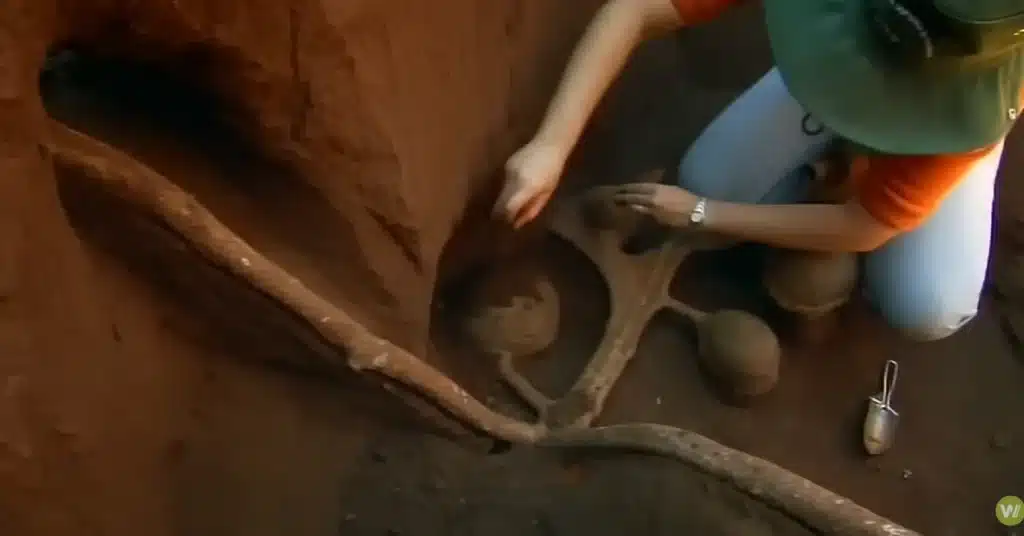
The process of excavating and studying the cast took weeks of painstaking work. Each layer revealed more detail about how the ants had organised their space. What emerged was a portrait of creatures far more sophisticated than popular culture typically portrays them.
A Lesson in Collaboration
Perhaps the most humbling aspect of the discovery is what it suggests about cooperation. Tens of thousands of ants, each operating without a central authority or written blueprint, had built something of genuine complexity. They had created what amounted to infrastructure—a functioning city tailored to their needs. There were no wage disputes, no construction delays, no bureaucratic obstruction. The work simply happened, driven by what scientists refer to as “collective intelligence,” an emergent property that arises when many individuals pursue common goals.
Whether the original colony that built this hidden mega-city eventually constructed another similar settlement, or whether it established itself elsewhere with a different architectural approach, remains unknown. What is certain is that the discovery serves as a reminder: humanity’s tendency to overlook smaller creatures often blinds us to the genuine marvels occurring at scales we rarely pause to examine.
The underground city cast now stands as testament to what ants achieve when left undisturbed—a structured, purposeful world built grain by grain, chamber by chamber, entirely without fanfare or recognition.