Smoke curled around the kitchen like a scene from a fever dream as layers of quail, hens, ducks and chickens vanished into the belly of a waiting turkey. The bird disappeared into a whole pig, its skin gleaming under harsh lights while strips of bacon landed in a steady rhythm. The men behind the counter chanted those two words with growing intensity. The sight looked chaotic, almost unreal, yet those behind the camera knew this scene belonged to the early internet’s fascination with spectacle.
It was messy, loud and strange, and it would soon become one of the defining creations of a digital generation.
The Birth of a Strange Creation
In October 2010, a group of friends from Montréal uploaded a short cooking video built on shock, humour and a taste for excess. The idea had first stirred earlier that year after a clip of Harley Morenstein devouring an overloaded hamburger, set to an action theme, unexpectedly gathered thousands of views. Morenstein and his friend Alex Perrault realised people could not look away from displays of over-the-top eating.
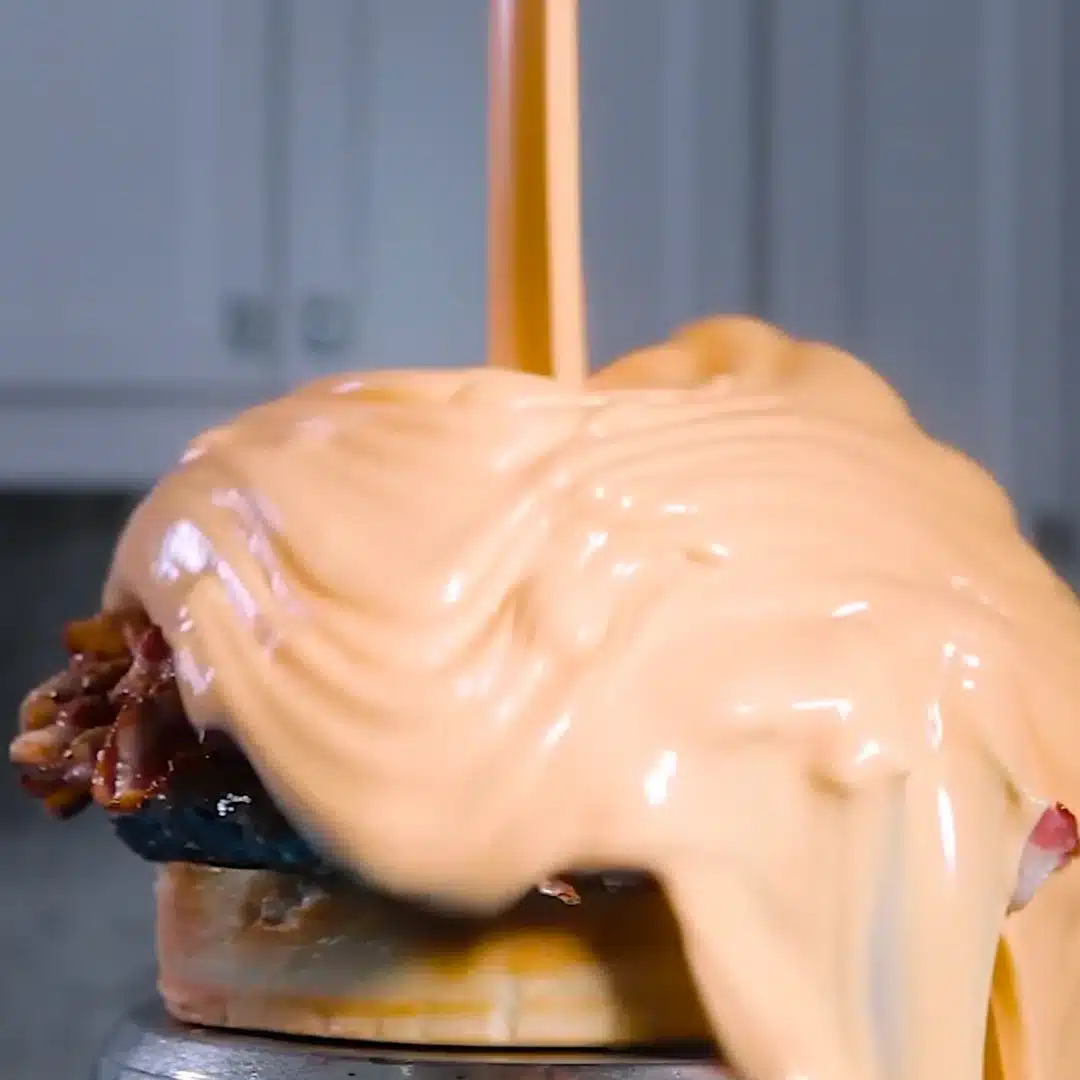
Their first official upload, filmed on 9 July 2010, pushed the concept further. They built a pizza covered in fast food items, melted cheese over the stack and produced a dish rising beyond 5,000 calories. Viewers shared and replayed the video, and soon the group expanded with new members, new stunts and a distinct style shaped by fast food, bacon and whiskey.
A Style That Could Only Belong To The Internet’s Early Age
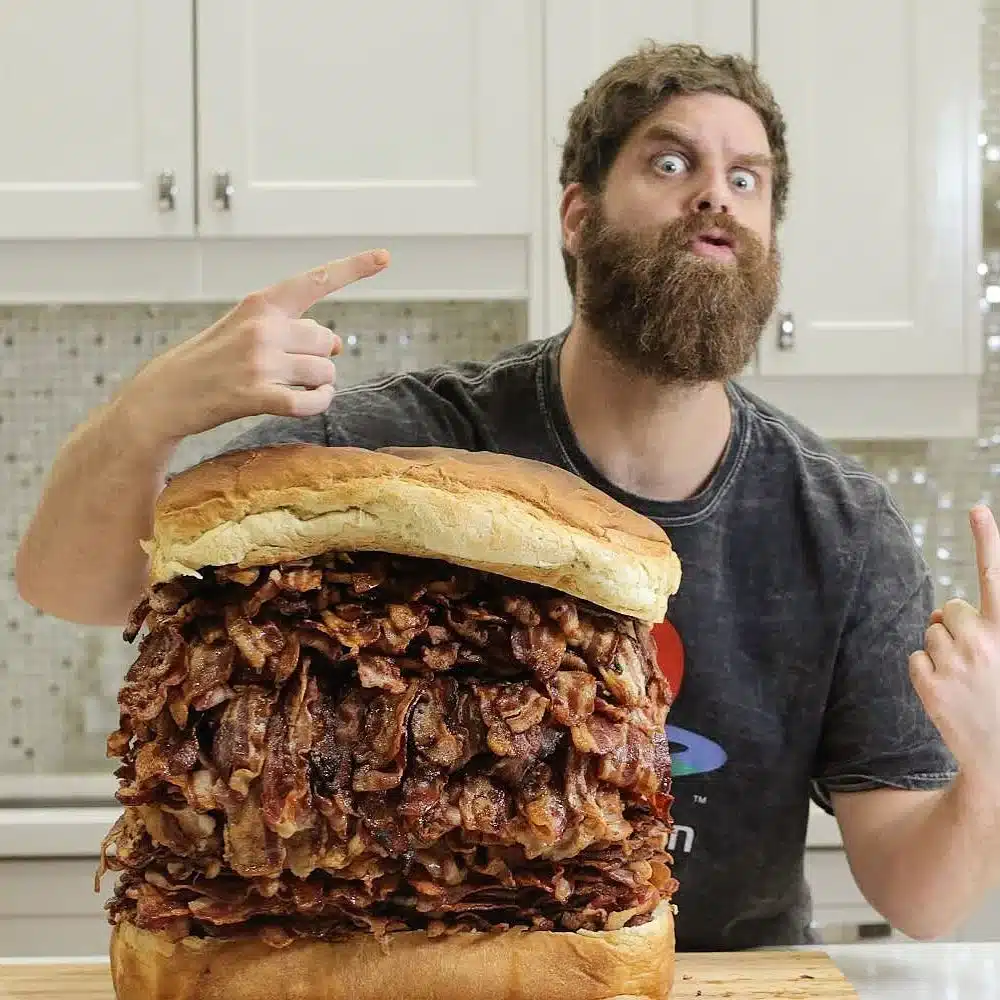
Their format stayed simple. Each week, the cast prepared a dish large enough for a crowd, counting calories and fat on screen as part of the show’s rhythm. Bacon appeared in every meal, and alcohol found its way into most recipes. They filmed with a Canon 7D, while the host used a tone that mixed humour with a sharp edge.
This approach landed at a key moment. In the early 2000s, campaigns promoted bacon as a flavour booster after low-fat trends made pork difficult to sell. Prices for pork belly rose by 2006, and the shift helped bacon surge through fast food menus. At the same time, the Great Recession shaped a preference for cheap, indulgent food, while the young internet embraced parody, exaggeration and extremes. The group fit neatly into this landscape, becoming a symbol of a culture leaning into fun and absurdity.
Rising Faster Than Anyone Expected
The channel rose rapidly in popularity on YouTube within its first year. They became the fastest channel to reach one million subscribers, earned a Shorty Award in March 2011 and made appearances on talk shows and other channels. They cooked with skateboard icons, actors and comedians. Their skull-and-knives emblem appeared on shirts, a published cookbook and an app released on 26 July 2012. In December 2012, their work expanded into a spin-off series where chefs built towering, calorie-packed meals under a strict time limit.
Behind the scenes, the team included friends, Concordia University students and on-camera figures with memorable personas. Among them was Perrault, who acted as the silent character known as Muscles Glasses and wore reflective sunglasses as part of his signature look. Their personalities created a balance between silliness and bravado that shaped the show’s identity.
The Cracks Behind the Spectacle
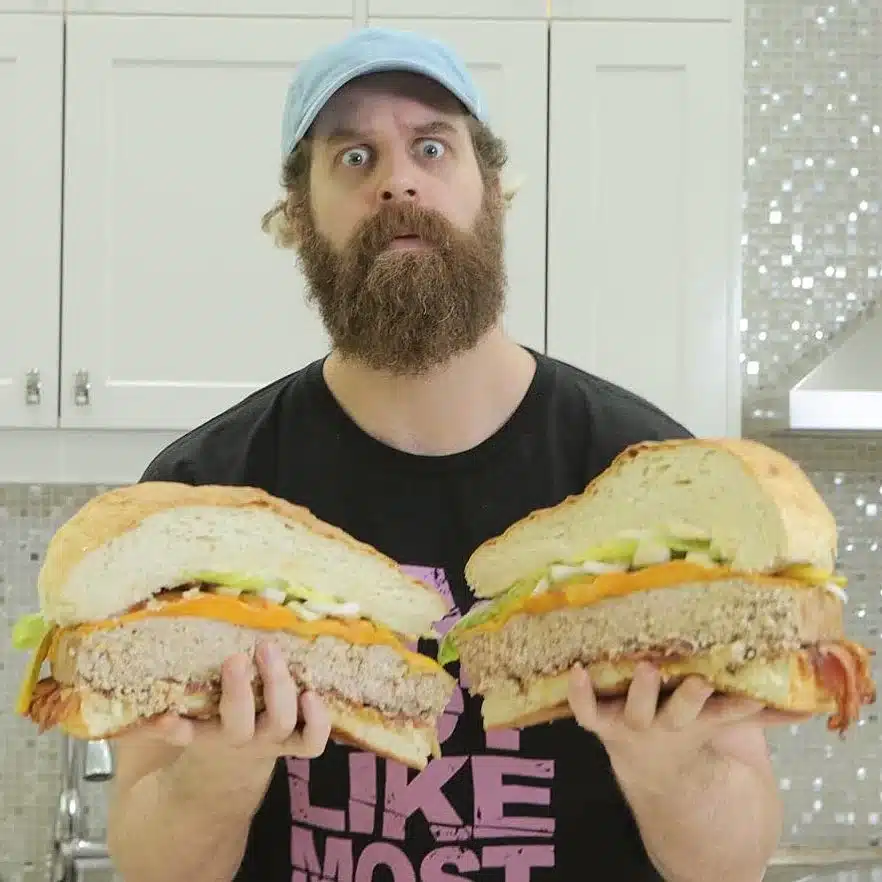
Success brought strain. In 2011, a legal dispute began when co-creator Sterling Toth argued he had been pushed out of the company. A court ordered greater transparency in financial matters, and the case later settled privately. Over the next two years, other members left. They said they were dissatisfied with how the business was being run and felt that promises connected to their involvement were not kept. The shift from a carefree project among friends to a more structured operation changed the atmosphere.
At the same time, their concept began to reach its limits. By the mid-2010s, large companies produced food videos at a speed the group could not match. Some used ideas similar to those the team had explored. Views dropped sharply from their earlier heights, and attempts to refresh the format struggled to recapture the original excitement. Even with these changes, the group continued to upload, shifting toward challenges, oversized desserts and occasional returns to the chaotic creations of earlier years.
A Legacy That Outlived the Bacon Mountains
Although their popularity slowed, their influence remained visible. By the early 2020s, creators on newer platforms echoed their techniques with large-scale stunts, unusual combinations and viral displays. Many saw them as early proof that ordinary people could turn strange ideas into global entertainment. Their impact could be found in fast food challenges, extreme cooking shows and the rising wave of chaotic food trends.
Epic Meal Time captured the untamed spirit of the internet at a moment when it felt new and unpredictable. Their mountains of meat, humour and excess belonged to a time when anyone could press record and create something unforgettable. Their wild inventions showed how a group of friends could build a strange, short-lived world simply by letting their ideas run free, leaving behind a shadow that stretched further than the bacon on the table.
Published 16-Jan-2026