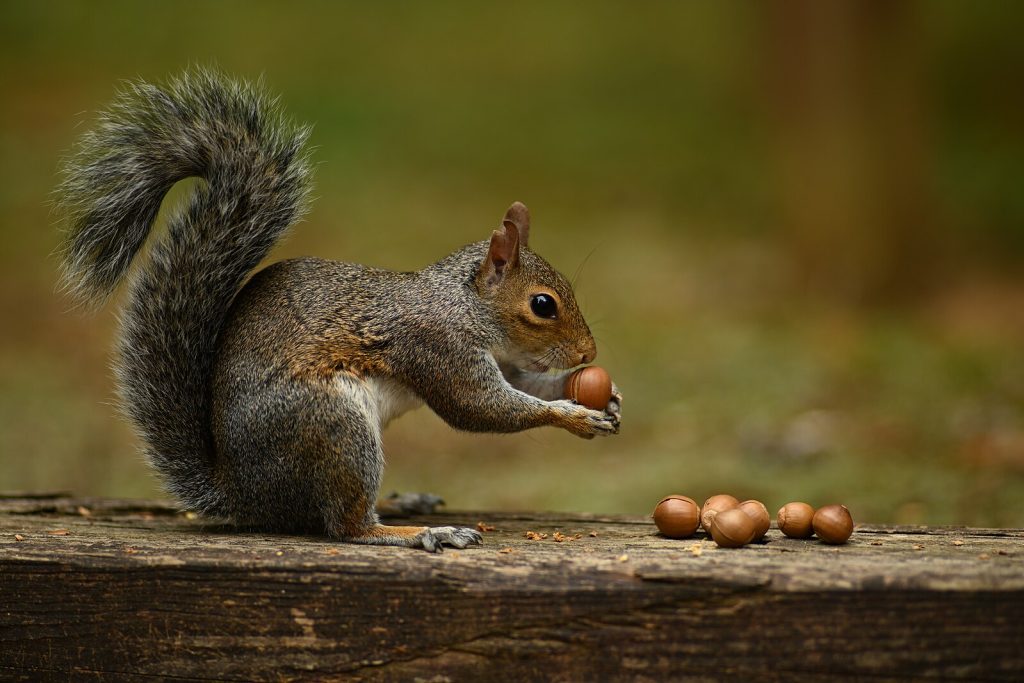
Most people see squirrels as fluffy little acrobats that chatter in trees, but every so often the natural world reveals something so strange it jolts a person’s sense of what small creatures can do. Picture a forest alive with frantic motion, the ground shivering under tiny paws, and a lake splashing with determined swimmers. It sounds like a scene from a creature feature, yet it echoes real events described in historical reports, moments when squirrels surged across landscapes in ways that hardly seem possible.
Extraordinary Jumpers and Daredevils
A squirrel carries a small, lightweight body, yet it launches itself through the air with wild confidence. Wildlife specialists describe how a grey squirrel can shoot upward around four to five feet before landing with remarkable balance. Other documented observations explain how they leap across ten foot gaps as though tree life has taught them tightrope skills from birth. Studies of their movements and field observations show that their legs, claws and tails work together like springs and rudders that help them balance and adjust even in awkward leaps.
Their speed adds to the spectacle. While many sources list their running pace at around ten to twelve miles per hour, some place their top bursts at close to twenty. At these speeds a startled squirrel can easily outpace most people who try to follow its path. Their agility along branches and trunks turns even a quick chase into a blur of fur and flicking tails.
Strange Swimmers of the Trees
People rarely imagine squirrels in water, yet field observers say they swim when they must. They paddle in a dog-like motion and steer with their bushy tails. Reports from New Hampshire describe moments when squirrels pushed across lakes during population surges. Observers describe them as reluctant swimmers, yet they still crossed the water when they had to. Their persistence raises a strange mix of admiration and concern, because these risky crossings sometimes end in tragedy when weather or food shortages work against them.
The Mystery of the Great Squirrel Migrations
Some of the most astonishing squirrel stories come from history books and research papers that describe mass movements sweeping across forests. Farmers in the 1800s wrote about rivers darkening with small swimming bodies. Naturalists described huge numbers of squirrels moving together, sometimes estimated in the tens of thousands, as if driven by a single mind. Even in the twentieth century, biologist Vagn Flyger documented a major eruption in 1968. Reports from that time describe roads crowded with squirrels and lakes crossed by swimmers trying to reach better feeding grounds.
Modern researchers believe these eruptions happened when squirrel numbers soared during heavy acorn years then collapsed when the food suddenly vanished. When local food ran short, populations spread out in large waves across the landscape. While nothing on the scale of the 1968 event has been recorded in recent decades, local population shifts still appear from time to time. Some scientists suggest that changes in forest structure and land use may have reduced the conditions that once allowed such enormous movements.
Rare White Ghosts in the Trees
Among all this wild behaviour, one of the most striking sights comes from forests where white squirrels appear. These pale animals are not mythical creatures. They carry leucistic genes that drain much of the pigment from their fur, which makes them stand out like tiny ghosts among the branches. Several towns in the United States protect their white squirrel populations, and nature writers often describe seeing one as a rare and unforgettable moment.
Little Garden Kingdoms in Japan
Across the world in Japan, a gentler spectacle unfolds. Visitors to squirrel gardens step into peaceful green enclosures where hundreds of squirrels scamper freely. At Machida Squirrel Garden near Tokyo, guests put on thick gloves before offering sunflower seeds to eager paws. The animals race up wooden towers and tree trunks, darting close to collect treats and then retreating in playful bursts of energy. These gardens reveal a softer side to squirrel nature, one filled with curiosity rather than panic.
Nature’s Accidental Foresters
Although their behaviour can swing between bold and frantic, squirrels also play a quiet part in shaping forests. Studies of seed caching show that they remember many of the nuts they bury but not all. Some lie hidden long enough to sprout, and over the years these forgotten seeds grow into young trees. Researchers explain that this behaviour supports forest renewal and helps oaks and other nut-bearing trees spread across wide areas. In this way squirrels become small gardeners racing along branches and digging into soil without any awareness of the larger impact of their habits.
The Story that Refuses to be Ordinary
There are stories that stretch the imagination even further, such as the widely reported but disputed account from Russia where local witnesses claimed a group of black squirrels attacked a barking dog. Animal experts have noted that such behaviour would be highly unusual and no verified evidence proves it happened, yet the tale lingers because squirrel behaviour sometimes seems to bend the rules in unexpected ways.
When animals leap astonishing distances, cross lakes in large numbers and move in great waves across regions, people naturally wonder what else they might do when pushed by hunger or fear. Squirrels may look cute and harmless, yet their world hides extremes of instinct, resilience and intense survival energy. Some stories warm the heart. Others leave a strange chill. All of them remind readers that even the most familiar creatures still hold surprises. The extraordinary waits in the trees, alive in bright eyes and twitching tails.