Deep beneath the parched, volcanic plains of East Africa, a geological marvel is quietly unfolding, one so colossal it may rewrite the continent’s map forever. In a startling twist of nature’s slow-burn drama, the African continent is splitting apart, and a brand-new ocean could rise in its place. Scientists say this tectonic spectacle is one of Earth’s rarest processes: the birth of an ocean, unfolding right before our satellite-watching eyes. And it’s happening not over eons of theory, but in real time.
The Great African Rip: Splitting at the Seams
At the point where Ethiopia, Djibouti, and Eritrea converge, called the Afar Triangle, three of Earth’s tectonic plates are pulling away from one another. This geological tug-of-war is creating a rift valley so deep and wide that it’s starting to resemble the early stages of ocean formation. According to the Geophysical Research Letters journal, the rift is expanding at around 0.3 inches (7mm) per year. That may not sound like much, but over millions of years, that slow creep could create a vast ocean and split East Africa off into its own massive island.
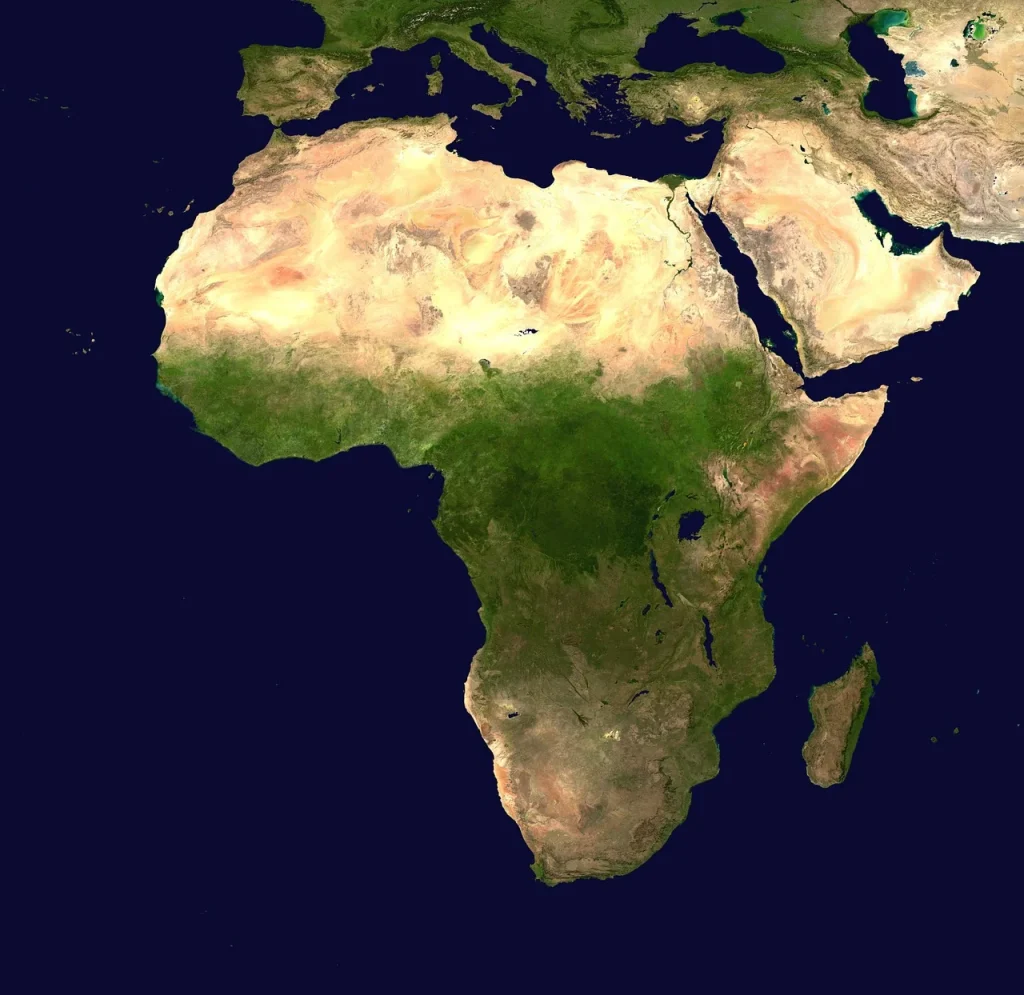
What makes the Afar region particularly extraordinary is that it’s one of only two places on Earth where scientists can observe continental rifting on dry land. Usually, this sort of tectonic activity happens under oceans, cloaked in darkness and miles of water. Here, however, the Earth’s interior is exposed to the surface, allowing researchers a front-row seat to the mechanics of planetary transformation.
Magma on the Move: The Fiery Force Behind the Rift
What’s fuelling this slow-motion continental divorce? Magma. Lots of it. The Afar region sits above a superheated plume of magma rising from deep within the Earth’s mantle. This molten rock doesn’t just trigger volcanoes, it also pushes tectonic plates apart, widening the rift and thinning the crust beneath it.
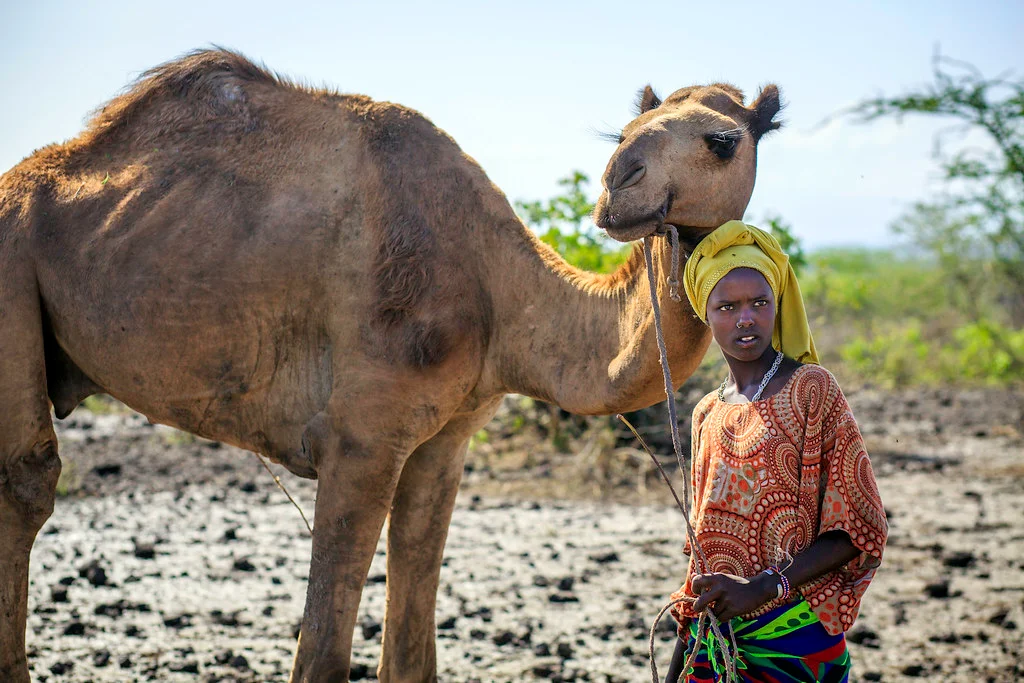
NASA satellites and seismographic data have been instrumental in tracking the changes. Cracks have opened up suddenly in some areas, swallowing parts of roads and dry plains. One dramatic event occurred in 2005, when a 60-kilometre-long stretch of rift appeared virtually overnight after a series of volcanic eruptions. These rapid shifts reveal just how active, and volatile, this process really is.
A Future Island? The New Continent in the Making
If this process continues uninterrupted for the next five to ten million years (which geologists say is likely), East Africa will break away from the mainland. The Indian Ocean will flood the valley, giving birth to a new ocean and forming an island continent made up of parts of Ethiopia, Kenya, Tanzania, and neighbouring nations.
This would mark the first time in human history that we’ve witnessed the beginning of ocean formation in such detail. “It’s a rare geological window into the birth of an ocean,” says Christopher Moore, a Ph.D. doctoral student at the University of Leeds who uses GPS and satellite radar to monitor the rift.
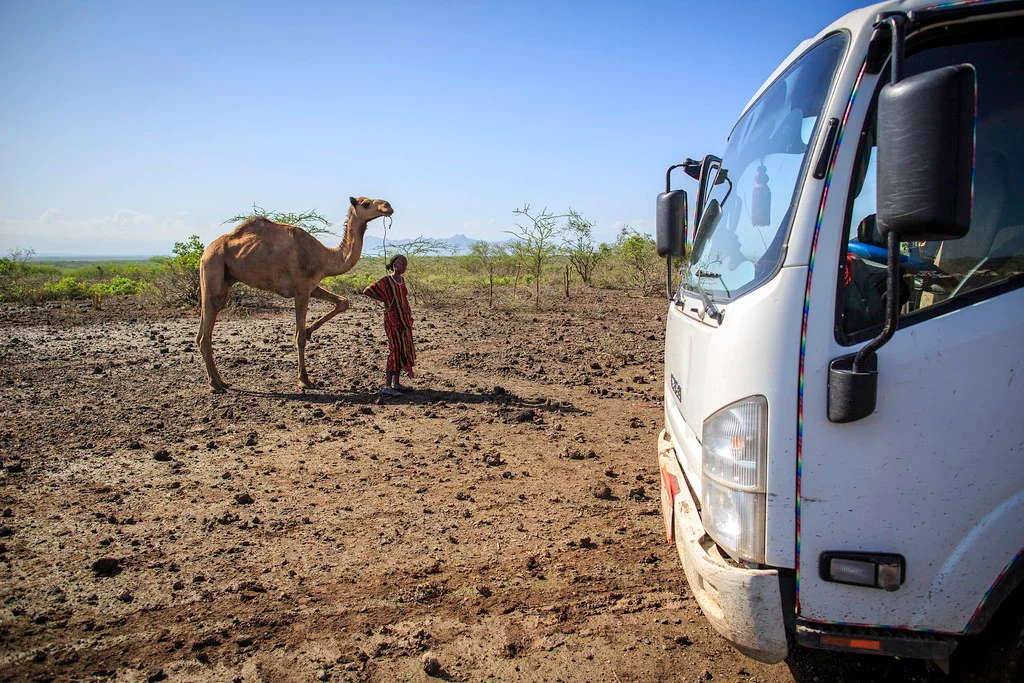
For locals, this isn’t just a slow geological curiosity, it has real consequences. Earthquakes, volcanic activity, and changing landscapes can affect agriculture, infrastructure, and livelihoods. But from a global perspective, it’s like watching Earth’s blueprint evolve live on screen.
Oceans Rise, Continents Divide: The Bigger Picture
Earth’s surface may feel solid beneath our feet, but it’s more like a cracked eggshell, always in motion. The phenomenon in East Africa is a vivid reminder that our planet is alive and constantly reshaping itself. Tectonic plates drift, magma churns, and oceans don’t just exist, they’re born, grow, and sometimes die.
As we look toward the next million years, the formation of a new ocean in Africa might be a defining chapter in Earth’s geological story. One day, our distant descendants may sail across an ocean that today is just a dusty desert rift. Until then, scientists will keep watching, and the Earth will keep splitting.