Dinner once involved flamingo, fermented fish sauce, and instructions written for cooks who already knew the basics. The shock is not the menu. The shock is survival. Nearly two thousand years later, a Roman cookbook still speaks, whispering how elites ate, bragged, and showed power through food. This is De re Coquinaria, the oldest surviving cookbook in the world, linked to the name Apicius. It reads like a dare from the past.
A Cookbook Older Than Empires
De re Coquinaria is usually connected to Apicius, a Roman figure famous for wealth and appetite. The text itself likely took shape across several centuries, reaching its final form around the fourth or fifth century. Copies survived through medieval manuscripts, not kitchen shelves. This matters. Recipes did not aim at home cooks. They targeted trained staff serving Rome’s elite. Measurements stay vague. Steps assume skill. The book trusts experience, not teaspoons.
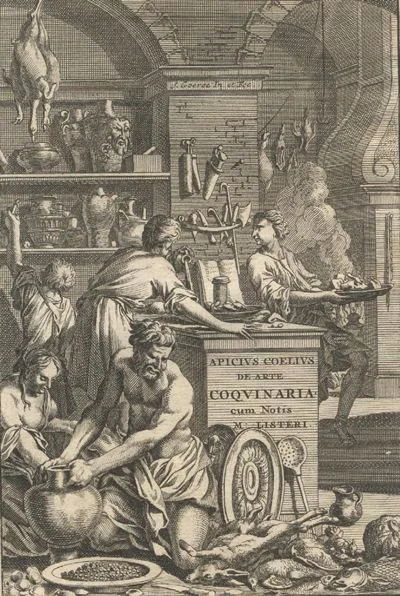
The collection includes around 400 recipes. Many rely on garum, a fermented fish sauce loved across the empire. Romans poured it on meat, vegetables, and even desserts. To modern noses it would smell intense. To Romans it meant sophistication. The survival of this book shows how seriously Rome took food as culture, status, and pleasure.
Recipes Fit For Excess
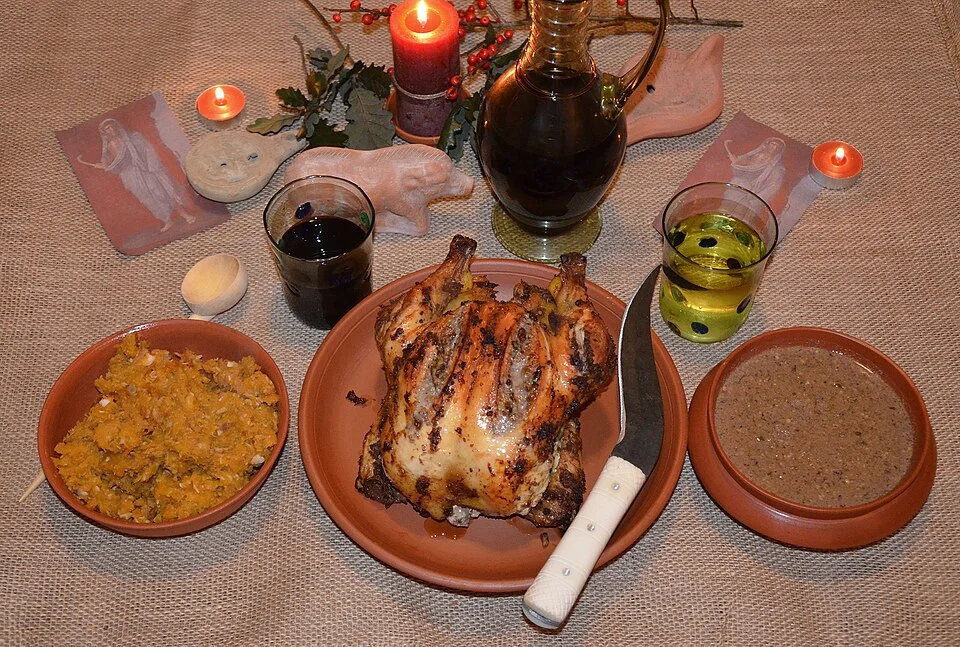
Some dishes feel tame. Others feel unhinged. Dormice stuffed with pork and nuts. Flamingo with dates and spices. Boiled sow’s udder. Sauces mixed honey, vinegar, herbs, and fish in bold combinations. Sweet and savoury blended freely. Pepper appeared everywhere, shipped from India at great cost.
These recipes show a world connected by trade. Spices crossed oceans. Ingredients travelled roads guarded by soldiers. When a Roman host served an exotic dish, guests tasted empire. Food acted as proof of reach and money. The cookbook reads like a menu of power.
Not A Kitchen Manual
De re Coquinaria never teaches basics. It skips knife skills, heat control, and timing. This omission reveals the audience. Wealthy households employed cooks trained through apprenticeship. The book served as inspiration and reference, not instruction. It preserved ideas, not lessons.
This explains the strange tone. Lines read more like reminders than guidance. Add this. Mix well. Serve hot. The book expects competence. It also expects abundance. Many recipes require rare items. Scarcity never appears as a concern.
Why This Book Survived
Most ancient writing vanished. Papyrus rotted. Libraries burned. This cookbook endured because medieval scholars copied it. Monasteries valued Roman texts for language and learning, not menus. Food history survived by accident.
Modern scholars now see it as a cultural record. It shows daily habits, social ambition, and taste. It proves ancient cooking chased novelty and pleasure, not survival alone. Through food, Rome feels close.
The Legacy On Today’s Plates
Chefs and historians still test these recipes. Some work surprisingly well. Others overwhelm. Garum has returned through modern fish sauces. Sweet and savoury pairings feel familiar again. The book reminds us taste evolves, then circles back.
De re Coquinaria is more than a curiosity. It is a voice from Ancient Rome speaking through sauce stains and ink. It tells us people obsessed over dinner long before restaurants and reviews. They chased flavour, status, and memory. Some things never change.