From the moment you bite into that whisper-thin golden shell of Tempura, something extraordinary is happening beneath the surface. You’re tasting centuries of cultural collision, culinary ingenuity and sheer lightness wrapped around seafood or vegetables. The technique of dropping something into bubbling oil might sound mundane, yet this crispy-delicate dish hides a wild origin story that reads like a travel adventure, not a kitchen instruction manual.
A Mistaken Arrival, A Culinary Gift
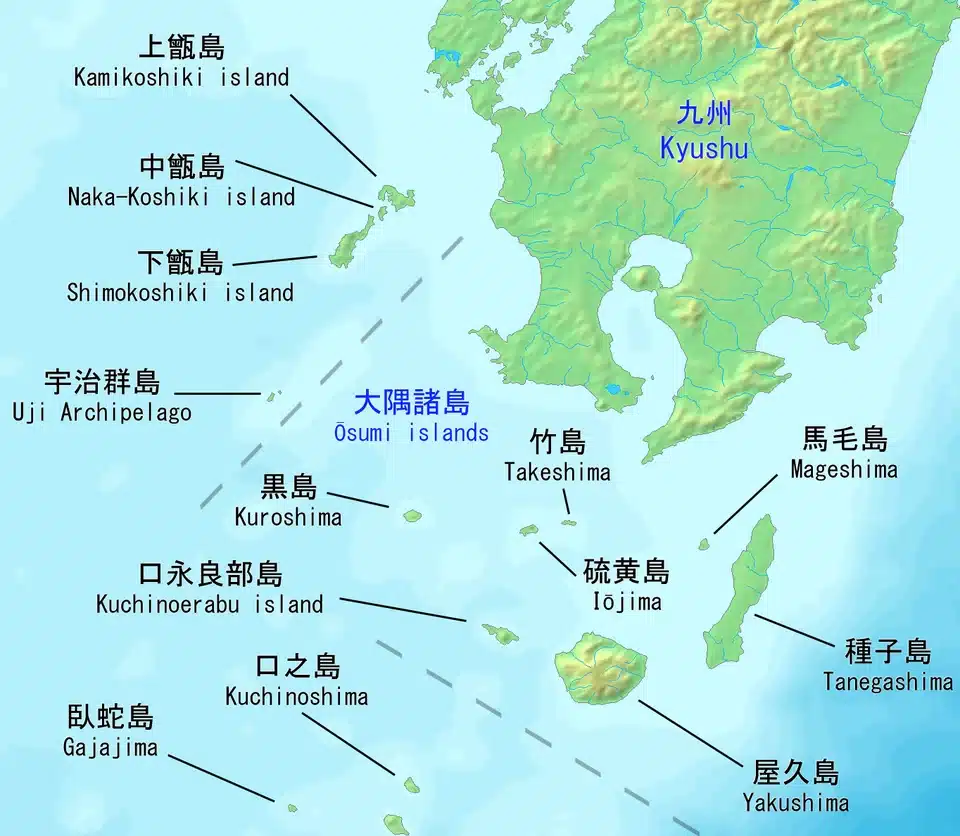
In 1543 three Portuguese sailors landed unexpectedly on the island of Tanegashima in Japan. That minor ship-wreck turned into major cultural cross-pollination as the Western technique of coating vegetables—and sometimes fish—in batter and frying them entered Japanese kitchens.
The Portuguese dish in question was called Peixinhos da Horta, literally “little fishes from the garden” (vegetables dressed to look like fish). Japan adapted it beautifully. What started as a meat-free fast-day substitute became a refined, almost ethereal method.
The Name Is a Clue
The very word “tempura” has a surprise inside it. Many food historians believe it’s derived from the Latin word tempora, meaning “times” or “periods”—specifically, Ember Days or other Catholic fasting days when meat was forbidden and fried vegetables became cuisine.
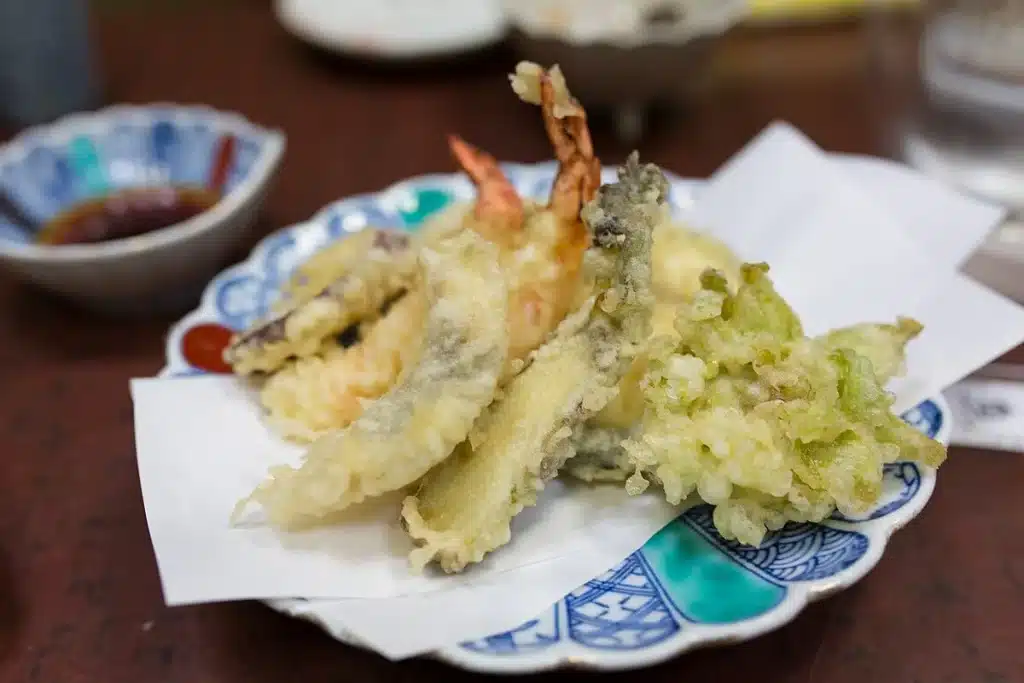
Thus a dish eaten during religious abstinence across Europe becomes one of Japan’s iconic foods.
From Street Cart Grease to Imperial Kitchens
In early Edo-period Tokyo (then Edo) food stalls offered tempura outdoors because indoor frying posed enormous fire risks in wooden buildings. Originally it was street food; later chefs stripped it back to just flour, egg, iced water and oil, and turned frying into an art form.

The Japanese focus on seasonal ingredients (“shun”) means that each piece, whether shrimp, seasonal vegetable or delicate leaf, is treated with ritual precision.
The Secret of the Crunch
What makes the crunch so thrilling? It’s partly the ultra-light batter mixed cold and briefly, with lumps still visible so gluten doesn’t develop. Ingredients are dropped into hot oil and float in their own vapour bubble, cooking inside a crisp shell and emerging almost weightlessly.
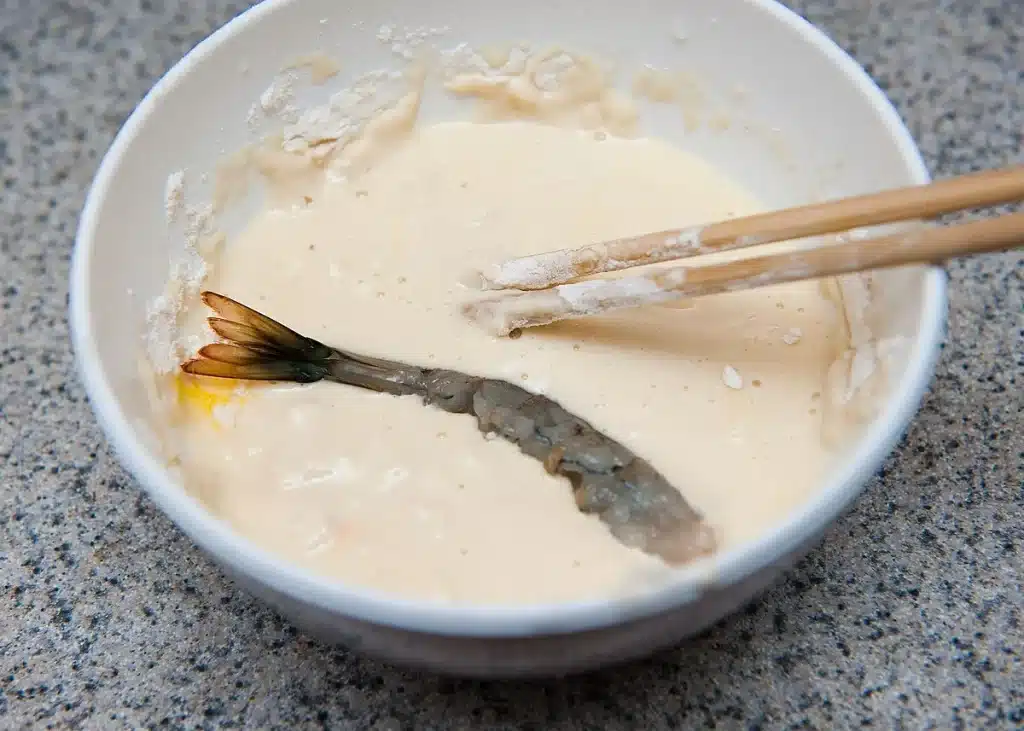
The result: a pale, airy coating that gives way to pristine seafood or vegetable inside. That texture is exactly what elevates tempura from simple fry to sublime. At your next tempura meal look out for hints of Portugal, of Catholic fast-days, of street-stalls serving hot oil beside the river in Edo.
See how a battered bean evolved into global cuisine. Taste the light, listen to the crunch, and know you’re biting into something extraordinary.
3-March-2026