On an October afternoon in 1814, a sound like thunder ripped through central London. It was not war. It was not an earthquake. It was beer. A single crack inside a brewery vat unleashed a tidal wave of porter so powerful it flattened homes, crushed walls, and killed eight people. Londoners did not drown in water or fire. They drowned in beer. This happened in the heart of the British capital, in full view of a shocked city.
The Vat That Failed
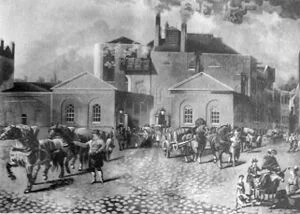
The disaster began inside the Meux and Company Brewery on Tottenham Court Road in London. The brewery stored porter in gigantic wooden vats bound with iron hoops. Each vat stood over six metres tall and held more than 600,000 litres of beer. One iron hoop slipped. Workers noticed the problem but treated it as routine. Hoops fell off vats often and rarely caused trouble.
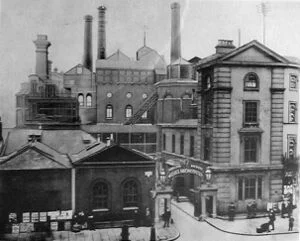
About an hour later, the vat exploded. The force tore through nearby vats in a chain reaction. More than 1.4 million litres of beer burst free in seconds. The brewery wall collapsed under the pressure. A brown wave surged into the streets with the weight and speed of a flood.
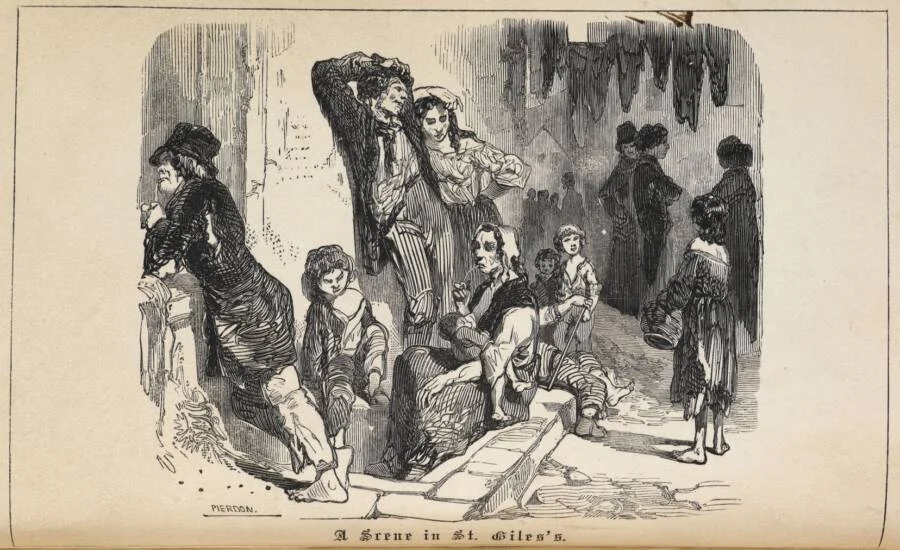
The beer smashed through the narrow lanes of the St Giles rookery, one of London’s poorest districts. Homes there were small, crowded, and fragile. They stood no chance.
A Neighbourhood Swept Away
The beer flood hit with terrifying force. Walls crumbled. Floors gave way. People were knocked off their feet and pinned under debris. In one house, a wake was underway for a young child. The mourners never saw the wave coming. Several people died in that single room.
Rescue efforts struggled in the chaos. Beer filled cellars and basements, trapping residents below street level. Some victims drowned. Others suffered fatal injuries from falling masonry. Eight deaths were officially recorded, though some historians suspect the toll ran higher among the poor.
Crowds gathered quickly. Many came to help. Others came to drink. Contemporary reports describe people scooping beer from the streets with pots and bowls. Several later died from alcohol poisoning. The scene mixed tragedy with grim spectacle, the sort of detail history rarely forgets.
No Crime, No Compensation
An inquest followed soon after. The jury ruled the deaths accidental. No one faced criminal charges. The brewery had followed common practices of the time. The iron hoops were known to fail. The vats were known to be dangerous. This was accepted as normal.
The ruling protected Meux and Company from ruin. In fact, the brewery received tax relief for the lost beer, which saved it from bankruptcy. The families of the dead received nothing. For the victims, the flood ended in silence.
This outcome shocked many Londoners, but it reflected the era. Industrial accidents often carried no blame, even when lives were lost. The beer flood exposed the human cost of unchecked industrial scale long before safety laws caught up.
Why This Disaster Still Matters
The London Beer Flood remains one of history’s strangest urban disasters. It revealed how fragile early industrial cities were. It also showed how the poor suffered most when things went wrong. The victims lived in overcrowded housing, built beside massive industrial risks they did not control.
Today, the site sits near busy streets and theatres. Few passers-by know what happened beneath their feet. No monument marks the dead. The story survives because it sounds impossible. A city drowned by beer feels unreal, yet it happened, measured in lives and litres.
This was not a joke. It was a warning wrapped in absurdity. When industry grows faster than safety, disaster follows, sometimes in the most unbelievable form imaginable.
Published 8-March-2026