A whisper of salt air. A splash of freedom. Two beluga whales that once danced for crowds under bright lights are now learning the rhythms of waves in an Icelandic bay. Little White and Little Grey did not walk to freedom. They were carried, lifted, nudged, waited on and, finally, introduced to a world they were never built to forget. What unfolded wasn’t simple relocation. It was nature rewriting a life, step by cautious step.
From Indoor Shows to Icy Seas
Little White and Little Grey spent their early years in a Shanghai water park, performing tricks in front of crowds. That life was a loop of repetition and applause, but it wasn’t natural for beluga whales. Belugas belong in deep cold waters, not chlorinated tanks.
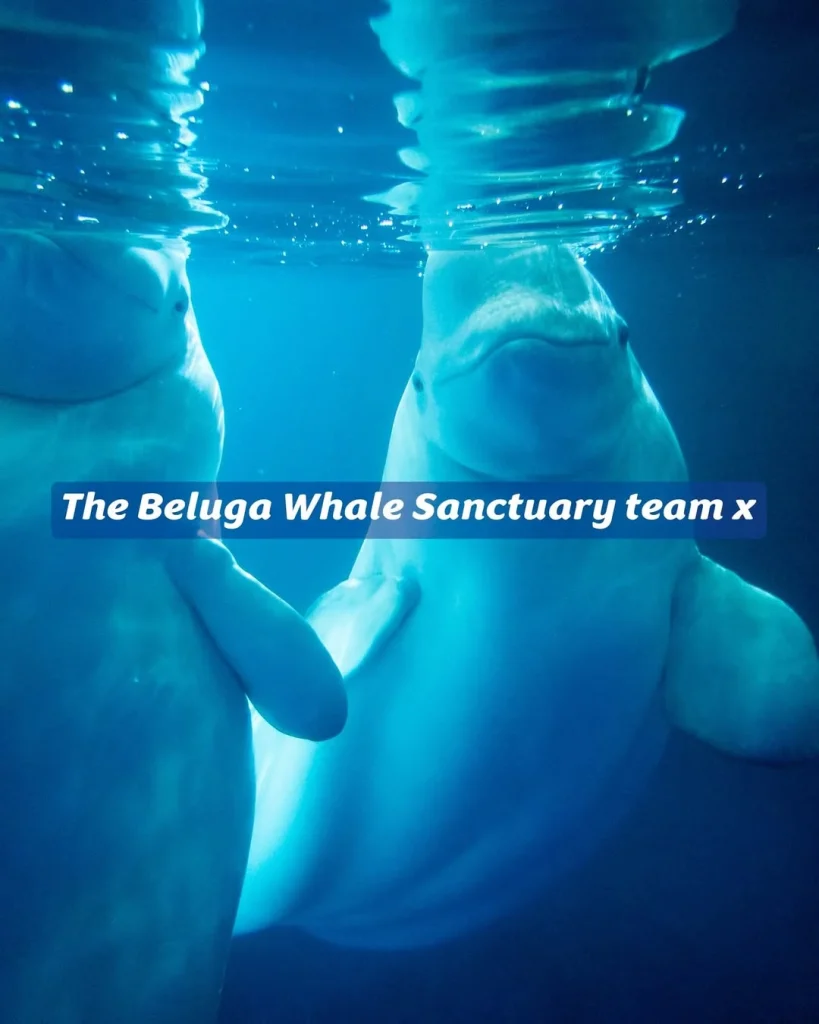
Everything changed when Merlin Entertainments bought the park and refused to exhibit whales for entertainment. This decision triggered a global first. The Sea Life Trust and Whale and Dolphin Conservation teamed up to create a real home for former captive whales, far from spotlight and performance.
The Long Way Home
Their journey was epic in both distance and drama. Little White and Little Grey travelled roughly 6,000 miles from China to Iceland, moving by air, by land and finally by sea to reach Klettsvik Bay, a sheltered bay in the Vestmannaeyjar islands off the south coast of Iceland.
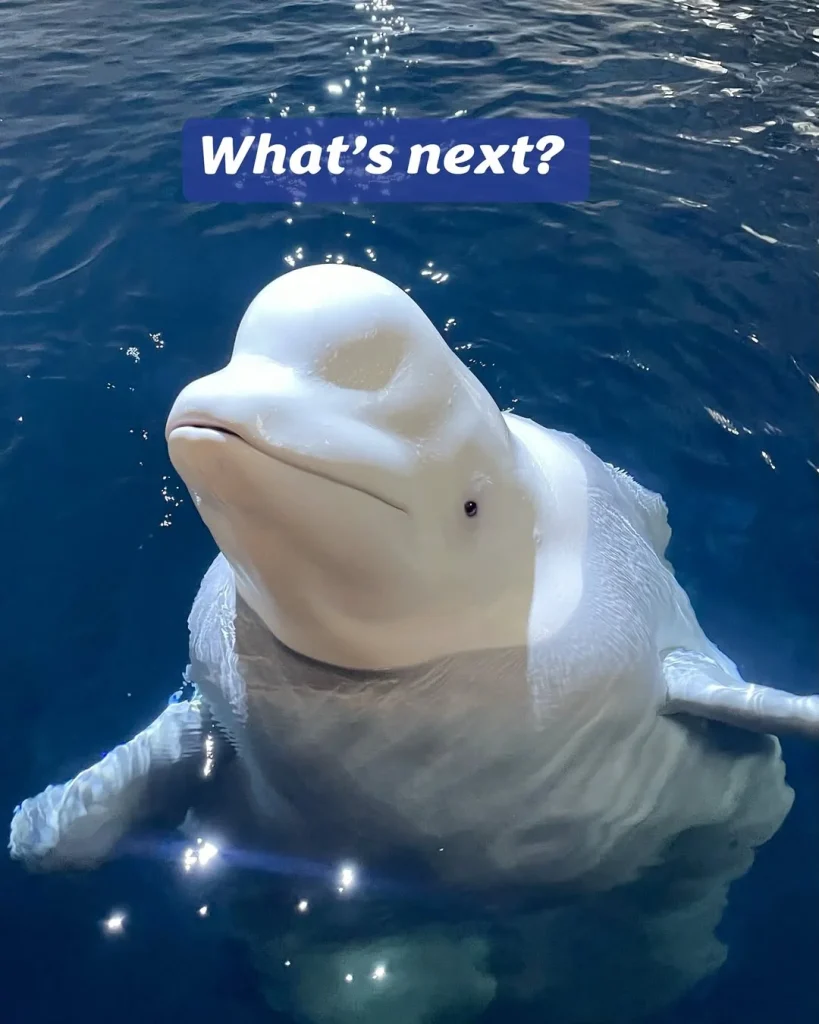
The final 1,400 metres were handled with the gentlest precision. Each whale was placed into a stretcher, moved from a landside care pool onto a lorry, taken to the water’s edge, then lifted onto a tugboat and lowered into sea pens. That journey took minutes, but it marked decades of transition.
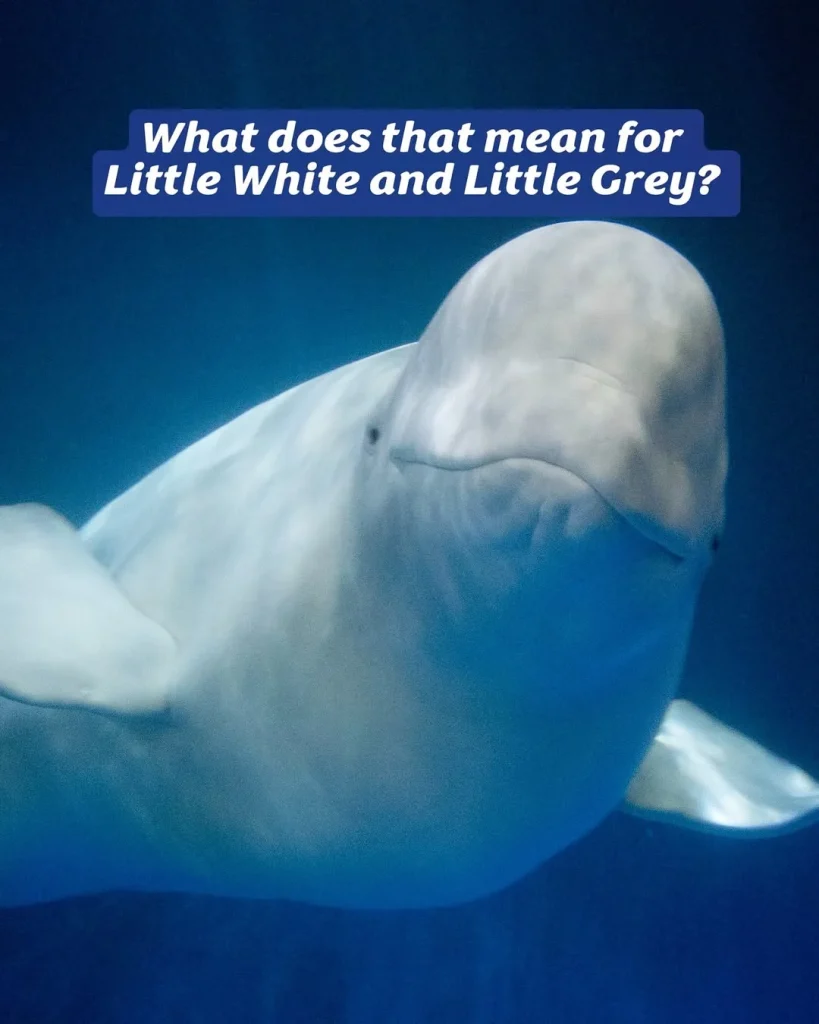
The sanctuary is enormous compared to their old world. The bay’s netted waters stretch across 32,000 square metres, offering space belugas have never known. Trainers and care teams speak of tides, weather and sometimes confusion, but always progress.
Adapting Without a Script
Beluga whales in the wild navigate currents, dive deep and hunt. Little White and Little Grey spent years learning predictable routines indoors. Now they must adjust to a capricious ocean. Wind sweeps in without warning, temperatures fluctuate and every day presents sensations they have never known.
This process is slow by design. A specialised intermediate habitat helps them ease into the bay. Upgrades to care facilities allow the team to tend to the whales without dragging them back to land for treatment. Spring 2026 is the new target for a fuller integration into the bay.
Perhaps the most touching moment was not recorded in data but in a simple encounter. A puffin, puffing and unsuspecting, landed near Little Grey during training. She was captivated. The puffin zipped away in a flurry of wings and wonder. It was tiny, but it was real.
A Sanctuary Built for Lifetimes
This sanctuary is not a pit stop. It is a retirement with purpose. The Sea Life Trust plans for these whales to live the rest of their lives surrounded by sea, not walls. They will never perform tricks again. Instead, their presence shows the world what a beluga’s life could be.
The bay has room for more. Up to ten belugas could join Little White and Little Grey if circumstances allow. Each new whale brought here has a story shaped by decades of debate about captivity. This sanctuary, the very first of its kind in the world, sets a new standard for marine life welfare.
A whale’s life is measured not in performances but in freedom. For Little White and Little Grey, that measurement finally includes tides, cold winds and horizons that stretch farther than any crowd ever did.
Published 2-March-2026